Canadian gardeners looking for the healthiest blooms can source bare root peonies directly through specialized domestic mail-order nurseries, heritage seed houses, and regional grower collectives across the country. Buying bare roots gives you access to robust herbaceous, intersectional (Itoh), and tree peony varieties that establish faster and live far longer than containerized stock bound in plastic pots. Sourcing them domestically also ensures your plants arrive acclimated to local hardiness zones and free from international import inspections.
Because these plants ship exclusively while dormant, timing your purchase is just as crucial as choosing your variety. Canadian nurseries open their advance catalog orders during spring and summer, dispatching the fleshy rootstocks from late September through November just before ground frost sets in.
Best Canadian Sources for Bare Root Stock
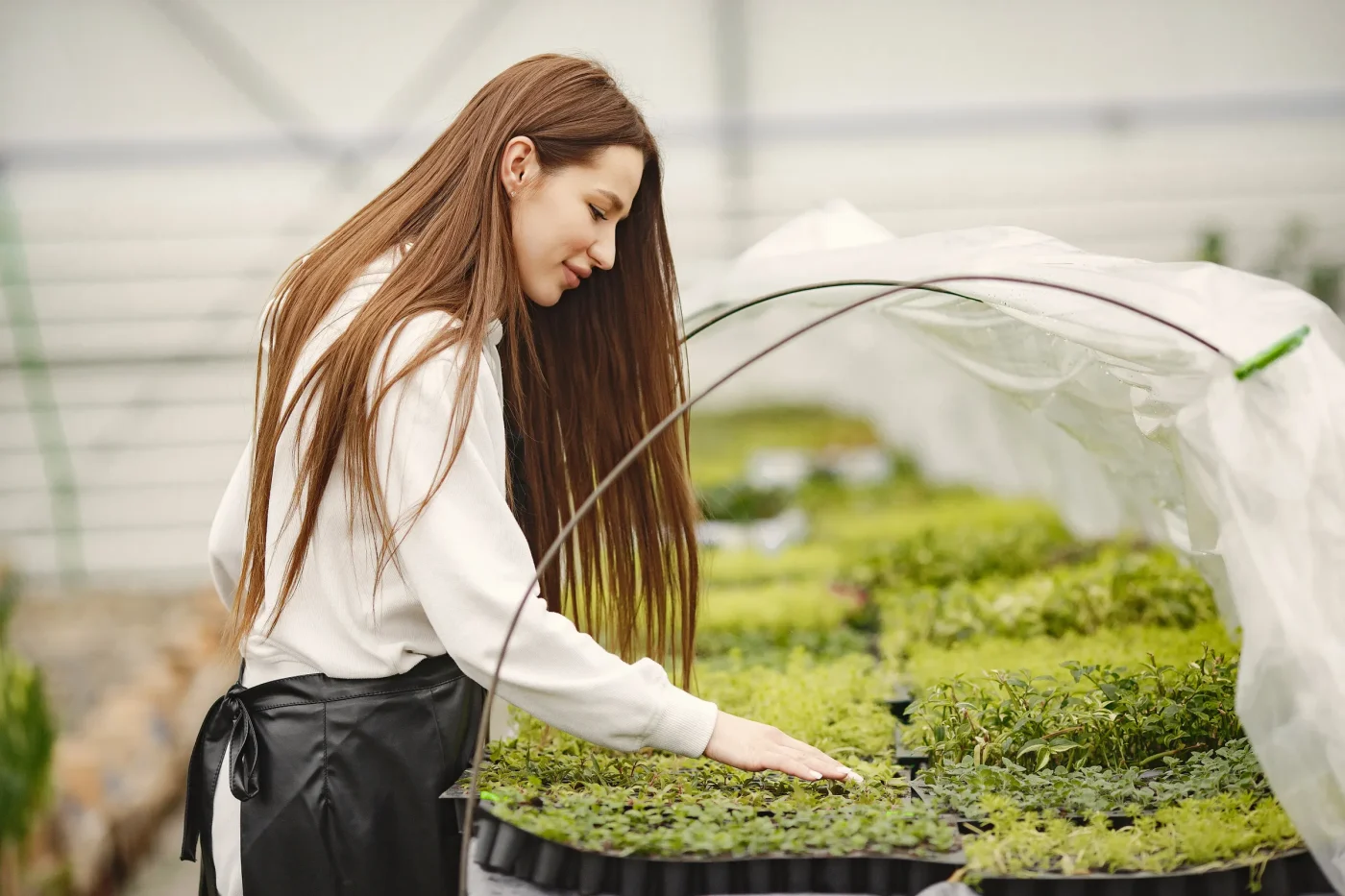
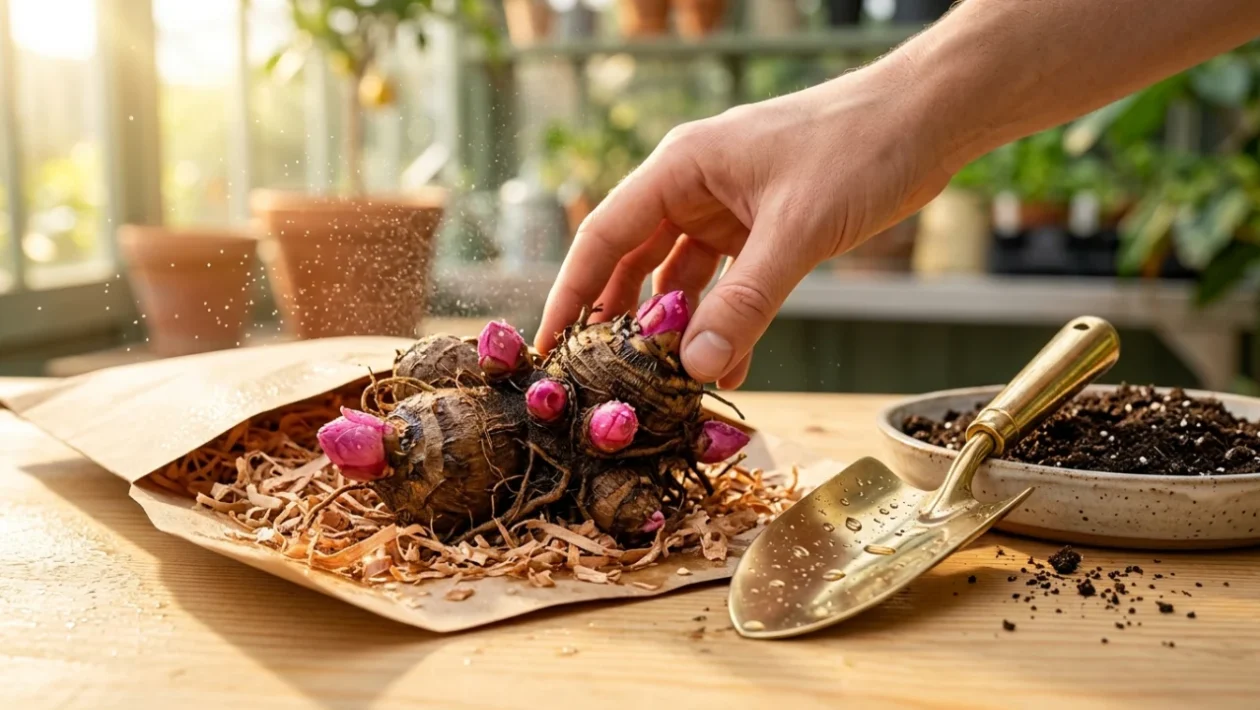
When selecting a nursery, prioritizing Canadian-grown stock protects you from cross-border phytosanitary delays and currency exchange premiums. Domestic specialty growers harvest their field-grown divisions in early autumn, packing each root with damp cedar shavings or peat moss to preserve moisture during transit.
- Specialty Peony Farms: Family-run grower operations in provinces such as Ontario, British Columbia, and Alberta focus entirely on propagation, offering classic lactiflora varieties alongside prize-winning exhibition cultivars.
- National Mail-Order Perennial Nurseries: Long-standing Canadian seed and bulb distributors feature extensive perennial catalogues, providing graded divisions guaranteed to feature three to five active “eyes” (buds).
- Regional Horticultural Societies: Autumn plant sales organized through local botanical gardens and regional groups often offer divisions donated by experienced master gardeners.
Understanding what arrives in the post helps eliminate any surprise when the parcel lands on your doorstep.
Field-dug bare root divisions with three to five healthy pink eyes consistently outperform potted nursery stock, as they develop anchor roots immediately in native soil without dealing with root-bound potting media.
Bare Root vs. Container-Grown: What to Expect
Novice gardeners often feel hesitant when they unbox a bare root division because it resembles a tangled, knobby tuber rather than a lush garden plant. However, field-dug roots possess an intact biological reserve that potted spring varieties simply cannot match.
| Feature | Bare Root Divisions |
|---|---|
| Shipping Window | Autumn only (dormant season) |
| Root Structure | Full field-grown tuber with zero root circling |
| Bud Count | Graded by eyes (commonly 3 to 5 eyes) |
| Cost Efficiency | Lower shipping weight and competitive pricing |
| Establishment Speed | Rapid spring vegetative flush |
Selecting the right tuber is only half the battle; the depth at which it sits in Canadian soil determines whether it flowers or remains purely foliage.
How to Plant Bare Root Peonies in Canadian Soils
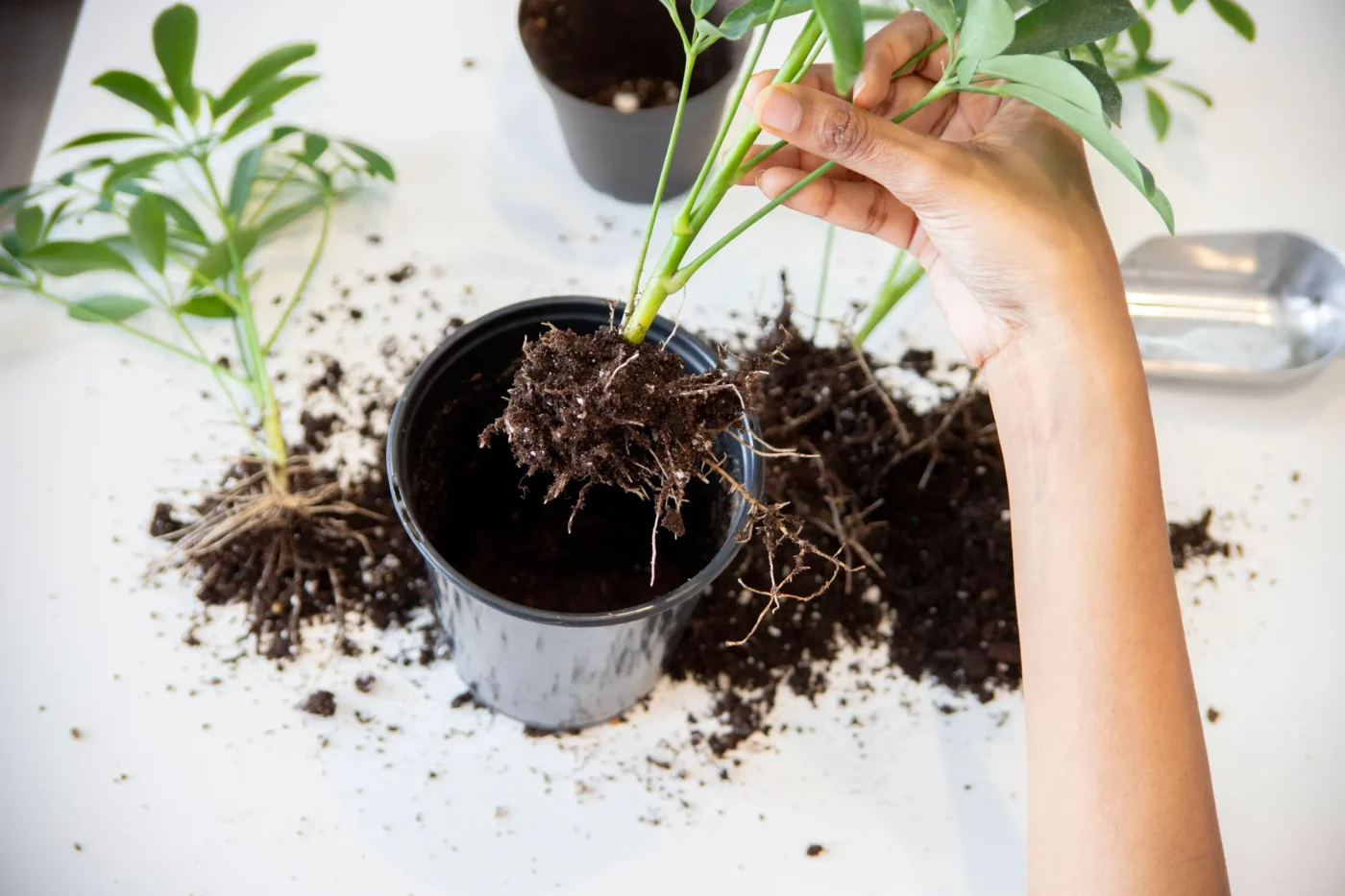
The single greatest myth surrounding peonies is that they are fussy, fragile perennials that resent cold winters. In reality, peonies require substantial winter chill hours to trigger spring bud development, making them one of the most resilient perennials across Canadian Plant Hardiness Zones 2 through 8.
Step-by-Step Autumn Planting Routine
Follow these steps as soon as your bare root shipment arrives to give the plant ample time to settle before the ground freezes:
- Inspect the tuber: Gently unpack the root and rinse off packing materials. Ensure the fleshy storage tubers are firm and identify the reddish-pink growth eyes along the crown.
- Select full sun: Choose a planting site that receives at least six to eight hours of direct sunlight each day with well-drained, fertile soil. Peonies despise standing water, which rots the crown.
- Dig a wide hole: Excavate a hole roughly 45 centimetres wide and deep, blending compost or aged manure into the bottom soil to support root exploration.
- Measure planting depth strictly: Position the crown so the pink eyes sit no more than 3 to 5 centimetres (1 to 2 inches) beneath the final soil surface. Planting deeper is the primary reason mature peonies fail to bloom.
- Backfill and settle: Tamp the soil down gently to eliminate large air pockets, and water thoroughly. Add a light layer of straw or shredded bark mulch for the first winter only to prevent frost-heaving.
Planting a peony crown too deep in the soil is the leading cause of blind plants that produce rich foliage every June but zero flower buds.
Once settled into their permanent home, healthy bare root peonies will happily thrive in the same spot for fifty years or more without needing division.
💚 Planning your autumn garden updates? Investing in quality bare root divisions sets your borders up for decades of showstopping spring colour.
✨ Check your local nursery catalogues early to ensure your favourite varieties do not sell out before harvest begins.
👇 Leave a comment below sharing your favourite hardy peony varieties or your go-to Canadian growers!