
Aster yellows disease is a chronic, incurable plant infection caused by a specialized bacterium known as a phytoplasma, recognizable by stunted growth, foliar yellowing, and bizarre green leaf-like structures replacing normal flower blooms. When an ornamental perennial or vegetable crop contracts this systemic pathogen, no chemical cure can reverse the damage, making immediate identification and decisive removal the only way to safeguard the rest of your garden.
The condition affects more than 300 species across several dozen plant families, striking backyard flower borders and commercial agricultural fields right across Canada. From decorative purple coneflowers and marigolds to edible crops like carrots, lettuce, and canola, the infection disrupts normal hormone pathways. Understanding how the vector behaves and spotting the earliest clues can mean the difference between losing a single specimen and facing a total bed wipeout.
Recognizing Aster Yellows Disease Symptoms
The visual impact of the disease is unmistakable once it takes hold of the vascular tissue. Rather than developing vibrant petals, infected blooms undergo phyllody, a condition where floral organs mutate directly into leafy green clusters. Petals often emerge completely bleached, dull yellowish-green, or severely stunted, leaving the centre of the blossom deformed and sterile.
Vegetative symptoms appear rapidly throughout the stems and foliage. Plants produce dense, upright clusters of spindly shoots known as “witches’ broom,” which spring erratically from nodes along the main stem. Leaves lose their natural colour, developing distinct chlorosis where foliage turns a pale yellow or light cream while primary veins occasionally retain faint green tones. In root crops like carrots, the pathogen causes an explosion of hairy secondary rootlets and imparts an unpalatable, bitter taste.
A very common mistake is confusing phytoplasma infection with herbicide drift or viral mosaic, leading growers to delay removing infected material until insect vectors have spread the pathogen to neighboring perennials.
Key Indicators Versus Common Lookalikes
Gardeners frequently misidentify these distortions as damage caused by synthetic weedkillers or eriophyid mites. While herbicide exposure often causes sudden, twisted stem bending, it rarely produces the complete metamorphosis of petals into fully formed miniature leaves seen with phytoplasma infections.
| Condition | Distinguishing Signs |
|---|---|
| Aster Yellows | Floral petals turn into leafy green rosettes, accompanied by yellowed foliage, witches’ broom shoots, and systemic stunting. |
| Herbicide Injury | Stems twist and cup severely without generating leafy green floral blooms; growth typically resumes normal form over time if exposure is mild. |
| Coneflower Rosette Mite | Distortion remains confined exclusively to the central cone of the flower, while foliage and stems retain normal green colour and vigour. |
| Nutrient Chlorosis | Leaves turn pale yellow between green veins across the plant, but blossoms develop normal petal colour and shape without mutation. |
The Transmission Cycle: How the Pathogen Spreads
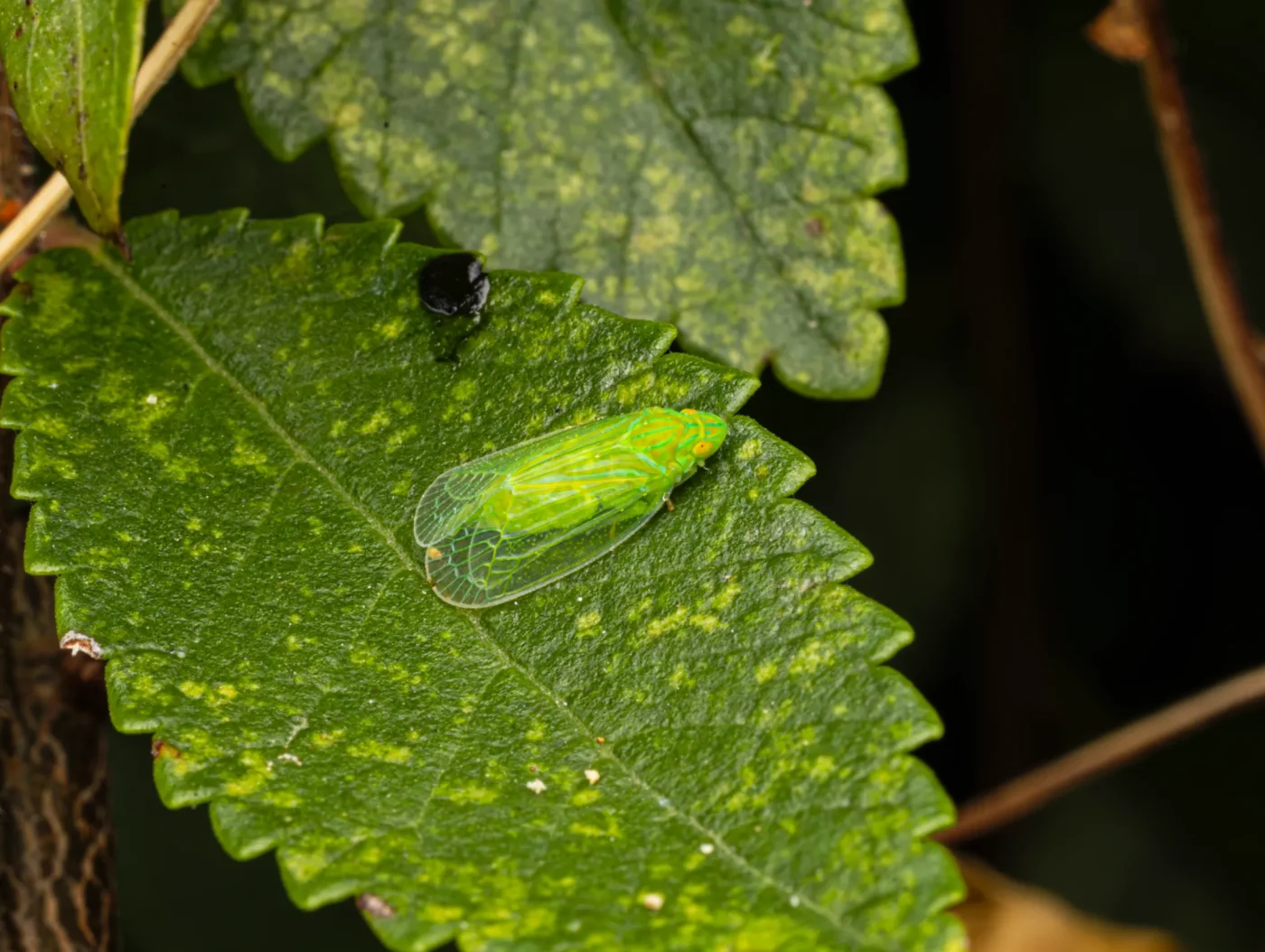
Phytoplasmas cannot survive independently outside of a living host or insect vector. The primary carrier responsible for spreading the infection is the aster leafhopper, a tiny, wedge-shaped insect that feeds on plant sap using piercing-sucking mouthparts. Leafhoppers acquire the microscopic organism while feeding on infected wild weeds such as dandelions, plantain, or thistles.
Once the insect ingests the pathogen, an incubation period occurs inside the leafhopper before it can transmit the bacteria to a healthy plant. In southern parts of the country and across the Prairie provinces, migratory leafhoppers arrive on sustained wind currents from the south, introducing fresh waves of the pathogen to clean gardens each growing season. Cool, cloudy conditions often encourage longer feeding periods, accelerating transmission across dense plantings.
Myth vs. Fact: Can You Cure Aster Yellows?
A widespread gardening myth suggests that drenching soil with broad-spectrum fungicides, copper sprays, or heavy fertilizers can reverse the chlorosis and revive an infected stem. The scientific reality is uncompromising: once the phytoplasma establishes itself inside the plant’s phloem, the infection remains systemic and permanent throughout roots, stems, and crowns.
Antibiotic treatments have demonstrated temporary suppression under tightly controlled laboratory settings, but these methods are neither practical, legal, nor accessible for residential landscaping and general agriculture. No foliar spray can cleanse the plant’s internal circulatory system once the organism begins replicating.
Step-by-Step Action Plan: How to Treat and Contain the Outbreak

Because no chemical rescue exists for infected specimens, disease management focuses entirely on mechanical containment, aggressive weed control, and suppressing the leafhopper population before feeding begins.
- Rogue infected plants immediately: Dig up the entire plant, including the complete root system, as soon as foliar yellowing and floral mutations appear. Leaving roots in the ground allows perennial crops to harbour the pathogen overwinter.
- Dispose of plant debris responsibly: Place infected material directly into municipal waste bags or deep-burial refuse. Do not toss symptomatic foliage into home compost piles where living tissues might host surviving leafhoppers.
- Eliminate surrounding weed reservoirs: Remove broadleaf perennial weeds like wild lettuce, thistle, chicory, and sow-thistle from the perimeter of your garden beds, as these serve as quiet staging grounds for the bacteria.
- Install physical barriers: Protect sensitive annual flowers and vegetable crops by securing lightweight floating row covers early in the season, preventing migrating leafhoppers from landing on foliage.
- Encourage natural predators: Foster garden biodiversity by planting diverse borders that shelter beneficial insects like predatory bugs, lacewings, and spiders, which naturally suppress leafhopper numbers.
Staying vigilant during routine garden checkups ensures that occasional leafhopper feeding visits do not evolve into a wide-scale outbreak across your favourite floral displays.
💚 Inspect your flower beds carefully this week for any strange, leafy floral distortions or stunted pale growth.
🌱 Share your garden experiences with fellow growers to help others identify early symptoms before they spread.
👇 Leave a comment below detailing which varieties in your landscape have proven most resilient against common pests.