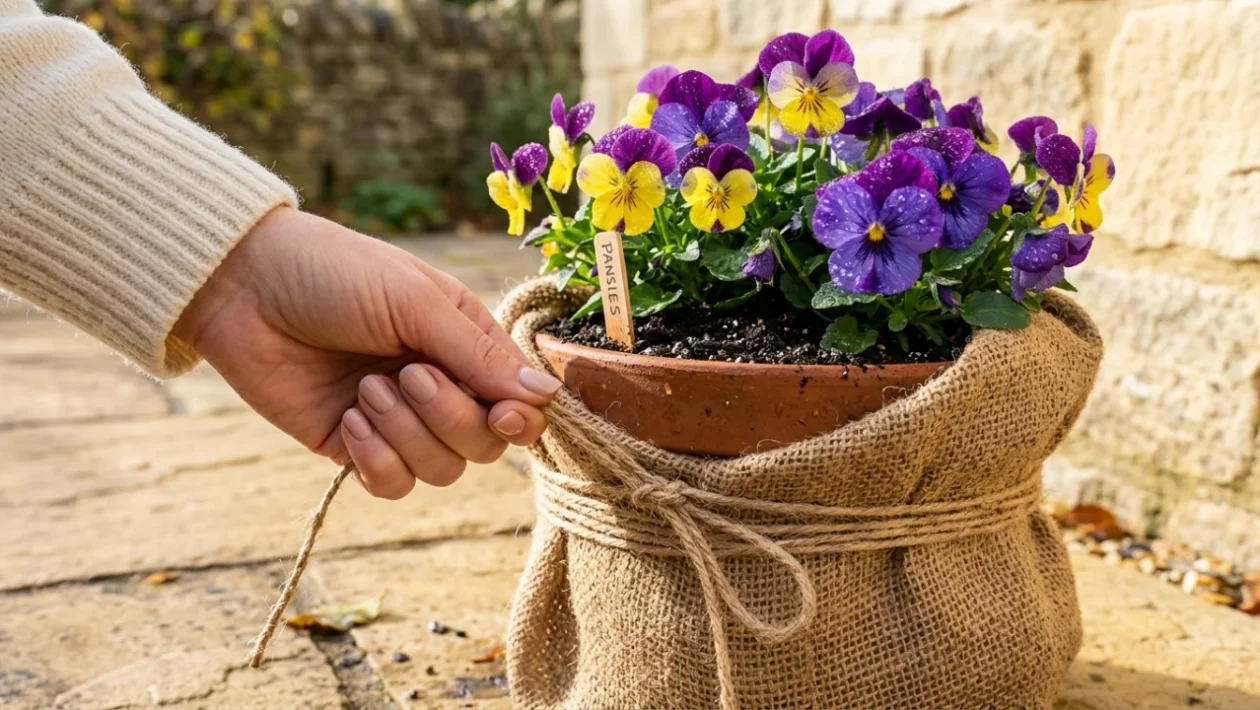
You can protect potted pansies from sub-zero autumn chill by insulating container roots, hydrating the soil before hard overnight frosts, and clustering pots against warm foundation walls. While in-ground pansies easily shrug off light sub-zero dips, container root balls lack ground insulation and will freeze solid once temperatures plunge below minus four degrees Celsius without preventative care.
Across Canadian backyards and balconies, autumn containers offer some of the season’s most vibrant colour displays. Yet container gardening creates a microclimate distinct from traditional garden beds, exposing delicate roots to rapid freeze-thaw cycles that can rupture cell walls before winter even officially arrives.
Understanding how frost interacts with potting mix reveals why standard autumn garden care falls short for containers.
Why Container Soil Freezes Faster Than Garden Beds
Soil tucked inside plastic, ceramic, or terra cotta containers lacks the thermal mass of natural earth. When cold autumn winds sweep across a patio, the air chills the container walls from all sides simultaneously, causing the potting mix inside to freeze several degrees faster than surrounding turf or flower beds.
A very common mistake is assuming that cold-hardy foliage protects vulnerable roots; in containers, uninsulated root systems sustain freeze damage long before the petals show any sign of distress.
Pansy foliage typically handles temperatures down into the negative single digits, bouncing back once daytime sun warms the petals. Root tissue, however, is far more delicate. If the root ball turns into a solid frozen block, the plant loses its ability to draw water during crisp, sunny autumn afternoons, leading to fatal dehydration.
The Pre-Freeze Hydration Rule
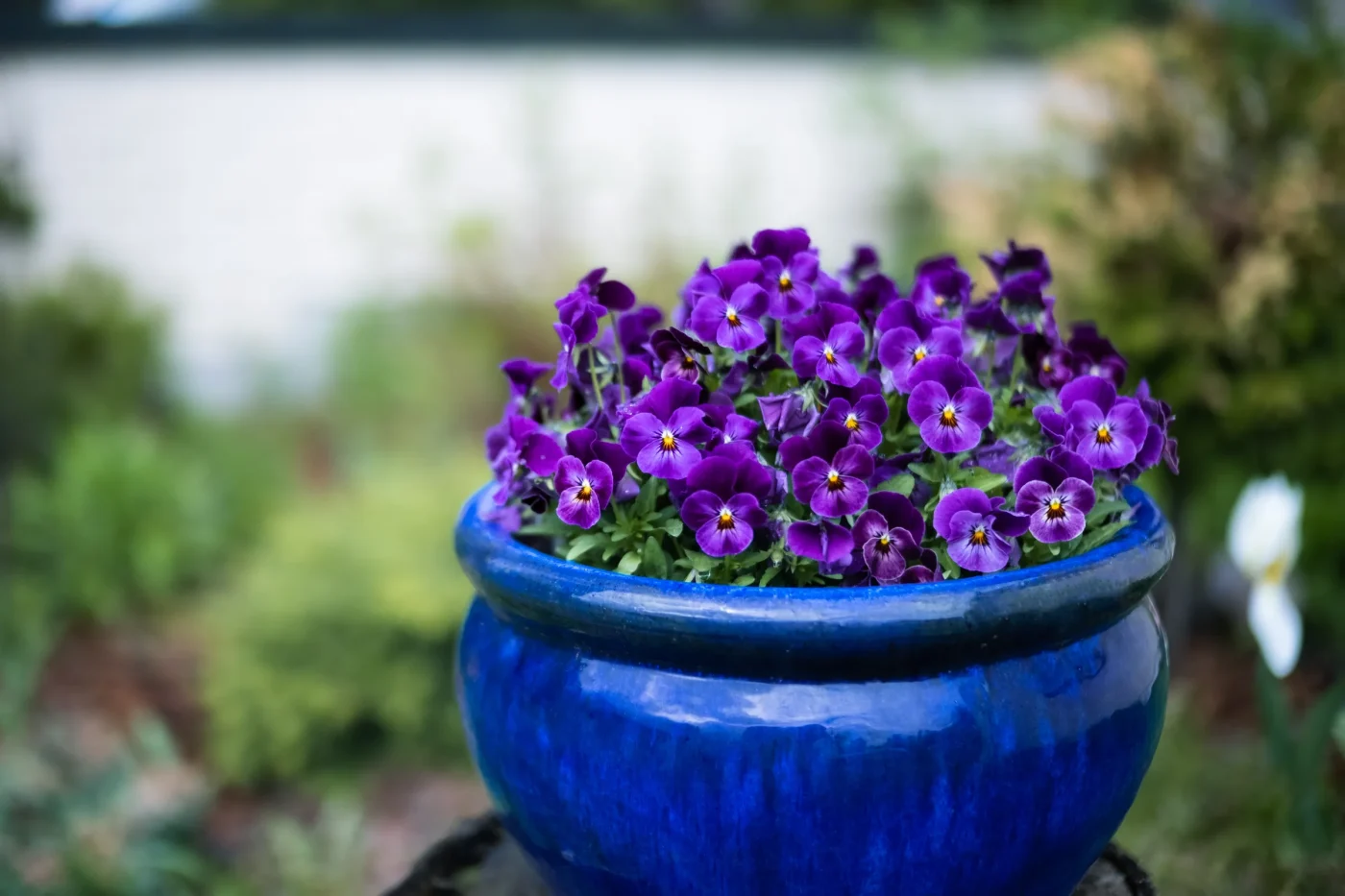
Damp soil retains thermal energy far more efficiently than bone-dry potting mix. When forecasters predict an overnight plunge below freezing, thoroughly watering your potted pansies earlier in the day provides an effective thermal buffer.
Water releases heat slowly as it cools down, shielding the root zone from sudden thermal shock. Moist soil also ensures roots remain fully turgid and hydrated before dry sub-zero winds draw out moisture overnight.
The key is timing: saturate the soil during late morning so excess moisture drains away completely before temperatures plummet at nightfall.
Step-by-Step Action Plan for Freezing Nights
- Hydrate thoroughly: Water containers in the late morning, ensuring water runs through drainage holes without leaving stagnant pools in saucers.
- Huddle the pots: Group your containers together against a south- or west-facing exterior home wall to capitalize on radiant heat.
- Insulate container walls: Wrap exterior pot surfaces with natural burlap, bubble wrap, or old fleece blankets to break the wind.
- Cover the crowns: Drape frost cloth or breathable burlap over the blooms before dusk, anchoring edges to prevent wind lifting.
- Uncover at sunrise: Strip the top coverings off the next morning as soon as ambient air temperatures rise back above freezing.
Myth Versus Reality: Container Frost Protection
A widespread gardening myth suggests that wrapping pots in clear plastic sheets creates an ideal mini-greenhouse on cold autumn nights. In reality, clear plastic acts as a moisture trap that transfers freezing temperatures directly to foliage whenever leaves touch the surface.
Plastic also traps rapid daytime solar heat, creating severe temperature swings that disrupt dormancy and crack delicate stems. Breathable horticultural fleece, natural burlap, or cardboard boxes offer far superior thermal stability without suffocating root systems.
| Protective Method | Garden Function |
|---|---|
| Burlap Pot Wrap | Buffers container sides against severe wind chill and root freezing. |
| Thermal Grouping | Shared microclimates reduce exposed surface area on patio pots. |
| Pre-Frost Deep Watering | Thermal mass of moist soil delays rapid root-zone freezing. |
| Breathable Frost Cloth | Prevents frost crystals from settling directly on flower petals. |
Choosing the Best Wintering Strategy for Container Blooms
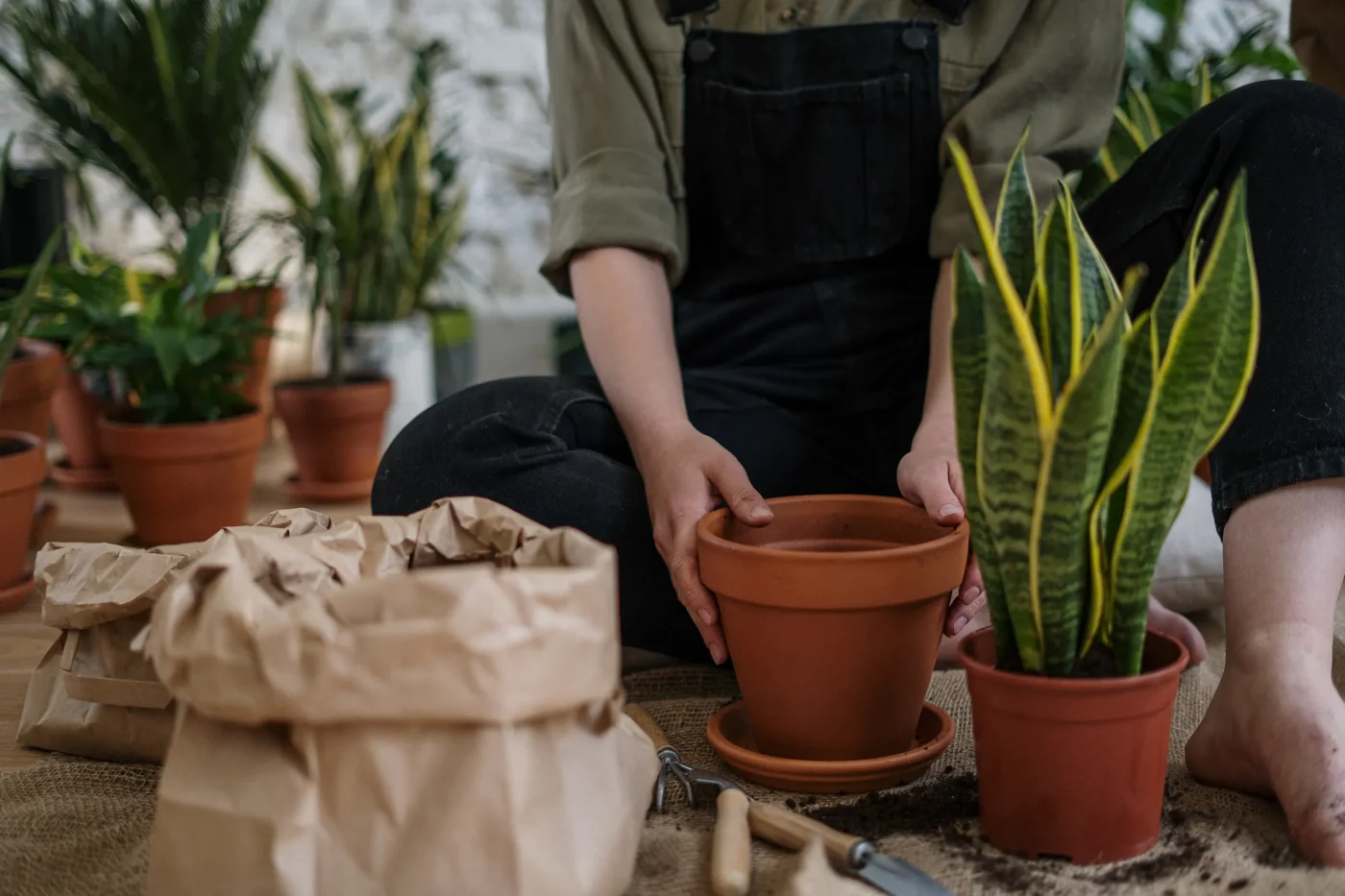
Depending on whether your patio sits in coastal British Columbia or faces the brisk winds of the Prairies, container survival strategies naturally shift as autumn progresses. Moderate frost regions can sustain container blooms well past November with simple evening covers and radiant brick sheltering.
In regions where deep sub-zero temperatures lock in early, moving pots into an unheated garage, garden shed, or cold frame during the coldest nights keeps root balls safe while allowing foliage to rest peacefully.
💚 Check your local forecast nightly to prepare container covers before temperatures plunge below freezing.
✨ Share your container gardening tips with fellow cold-climate gardeners who want long-lasting autumn colour.
👇 Leave a comment below detailing how you keep your patio flowers thriving through the brisk Canadian fall.