Your dahlia tubers shriveling in storage indicates rapid moisture loss caused by overly dry ambient air, high ventilation, or packing materials that strip hydration directly from the root tissue. While winter dormancy requires a cool, dark, frost-free space to prevent rot, an arid holding area desiccates plump roots into hollow husks long before spring planting begins.
Catching this shrivelling early makes all the difference between reviving a prized garden cultivar and composting a dead clump. Regular winter inspections allow growers across Canadian hardiness zones to stabilize tuber hydration before the inner crown suffers irreversible desiccation.
Why Stored Dahlia Tubers Lose Critical Moisture
Dahlias produce fleshy root structures that consist largely of water held within protective outer skins. Once cool autumn temperatures arrive and frost blackens top foliage, growers lift the root clumps to protect them from sub-zero soil conditions. If ambient humidity dips too low in an unheated basement, cold room, or insulated shed, moisture evaporates out through the skin faster than the dormant tissue can manage.
Air circulation plays a decisive role in this equation. Storing tubers in locations exposed to moving warm air speeds up evaporation and leaves the root shrunken and wrinkled within weeks. Containers that draw moisture away from the tuber aggravate the problem, leaving the outer skin brittle and dry to the touch.
“You need to store bulbs in a cool, dry, dark, frost-free place and in an ideal world you’d store them in trays that have air holes in, so you have circulating air.”
The challenge lies in balancing adequate ventilation against moisture depletion. Excessively damp environments invite fungal decay, but bone-dry storage triggers swift desiccation.
Myth vs Reality: Storing Dormant Roots Bone-Dry
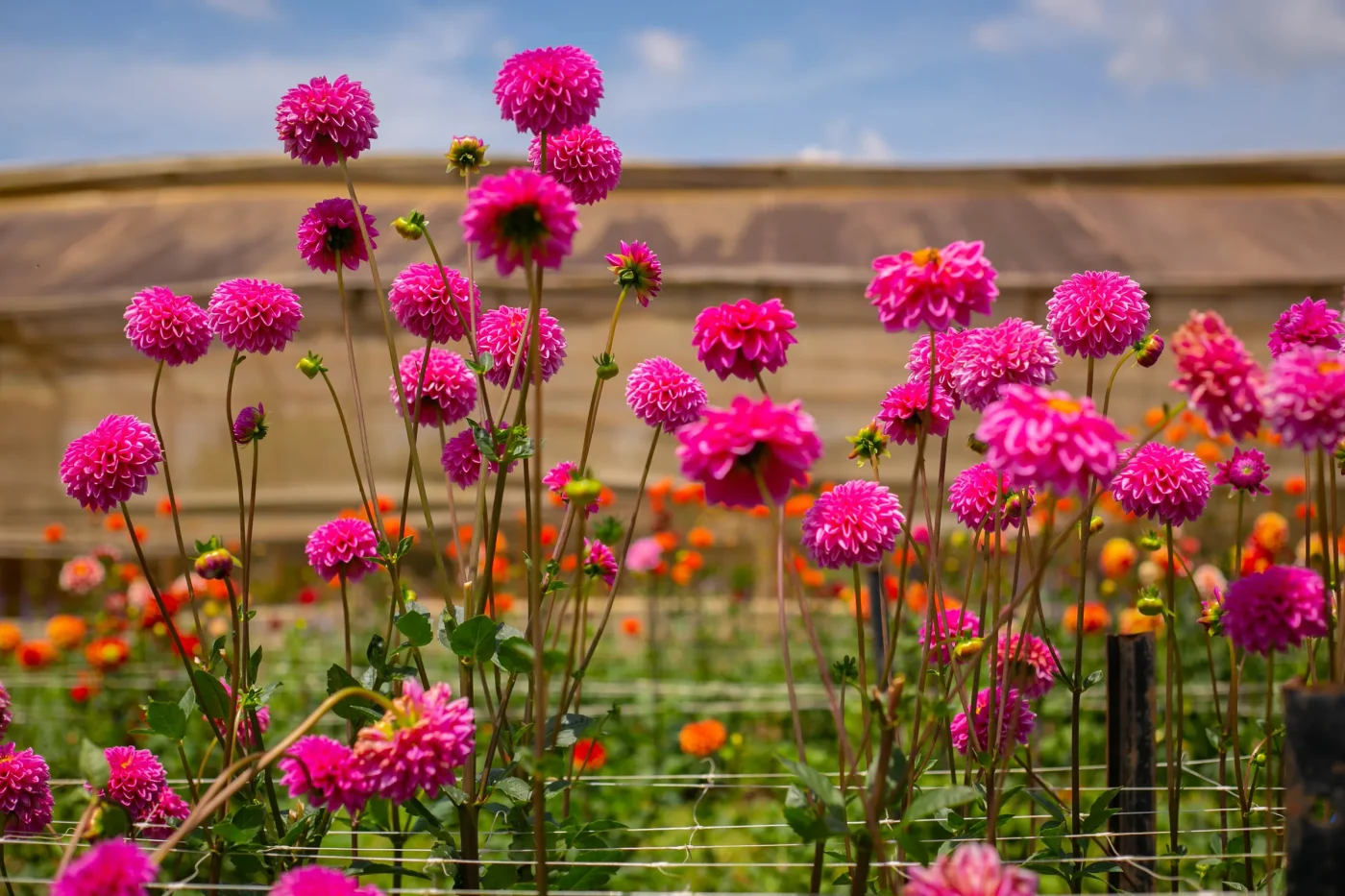
A widespread gardening myth suggests that winter tubers need an entirely dry environment comparable to cured onions or garlic bulbs. That assumption frequently ruins dahlia collections during cold Canadian winters.
True bulbs store energy in fleshy leaf layers protected by papery tunics, whereas dahlia tubers are modified roots that lack an impermeable outer coat. Complete absence of ambient moisture strips their stored water reserves. Storing them in materials like raw cardboard can actively accelerate drying, as cardboard pulls ambient humidity directly away from the root systems.
Dahlia tubers require a moderate, stable moisture balance rather than total dehydration.
Evaluating Tuber Health in Winter Storage
Periodic checks throughout dormancy help you identify moisture problems before the eyes on the crown shrivel beyond recovery. Use this assessment guide to diagnose what your storage stock is telling you:
| Storage Symptom | Root Diagnosis |
|---|---|
| Slightly wrinkled skin with firm core | Mild dehydration; reversible with humidity adjustment |
| Paper-thin, completely hollow root body | Severe desiccation; dormant eye is non-viable |
| Blackened, soft, and mushy tissue | Frost damage or rot from sub-zero temperatures |
| Light dusting of white surface mould | Slightly damp air; safely brushed off if flesh remains firm |
“A bit of surface mould can be brushed off but you don’t want them starting to rot. Also, if you leave them in the ground and they freeze, the tubers will go black and mushy.”
Knowing whether a root is merely thirsty or entirely spent determines your next move.
How to Salvage and Store Tubers Safely
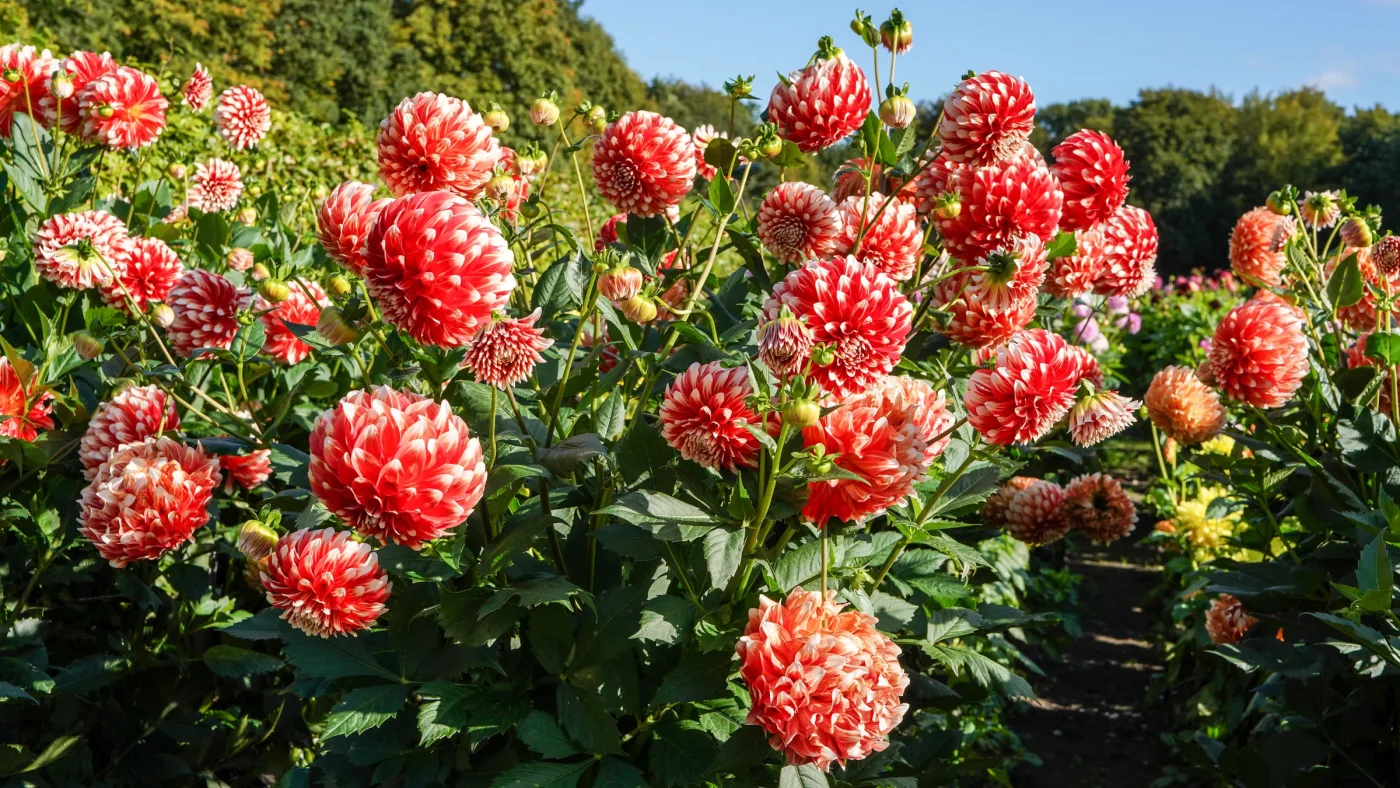
Mildly wrinkled tubers can often be saved if the tissue behind the crown remains firm and heavy in your hand. The goal is stopping further water loss without creating the soppy, stagnant conditions that invite fungal pathogens.
Step-by-Step Humidity Correction
- Inspect each root individually and discard any clumps that are hollow, completely papery, or soft and foul-smelling.
- Place mildly dehydrated tubers into breathable stacking trays with vents or open paper bags rather than sealed plastic containers.
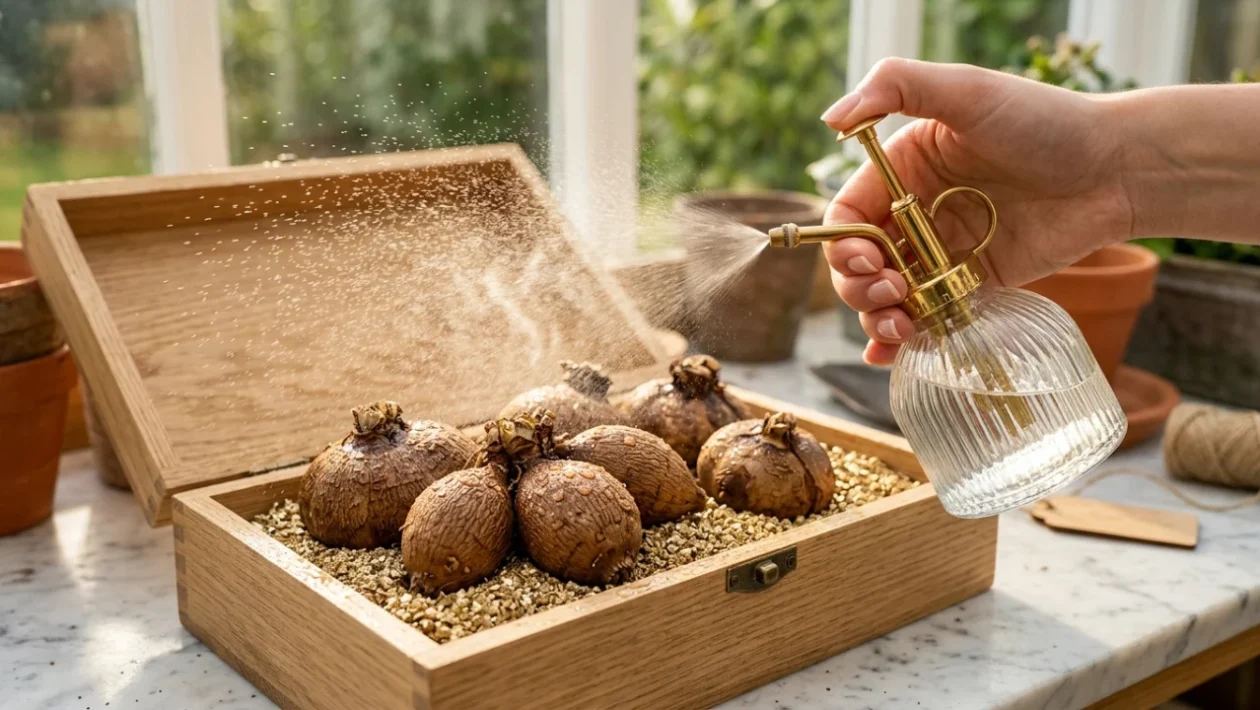
- Lightly mist the surrounding packing material—never the bare crown itself—to reintroduce minimal ambient humidity around the skin.
- If surface mould appears on the skin, gently brush it away while maintaining steady airflow to keep the tissue firm.
- Position storage containers away from furnace vents, exterior freezing walls, and drafty doorways to maintain an even, cool holding temperature.
Checking your crates every few weeks ensures your roots remain plump and viable until late spring planting arrives.
💚 Inspect your storage bins every few weeks to keep moisture levels balanced throughout the winter.
✨ A few quick adjustments to airflow and humidity will keep your favourite cultivars ready for a spectacular bloom season.
👇 Leave a comment below to share your storage setup, or share your experience with us on rescuing wrinkled garden tubers!