The fastest, most reliable way to stop squirrels digging tulip bulbs is installing physical barriers like wire mesh directly over planting beds before covering them with soil and mulch. Planting bulbs at least 15 to 20 centimetres deep, disguising fresh soil scents, and layering sharp gravel also shut down digging attempts immediately. Securing the planting zone right after autumn planting makes all the difference between a bare patch of dirt and a vibrant spring bloom.
Every autumn, gardeners across Canada watch urban grey squirrels and red squirrels turn flower beds into construction zones. These rodents are busy caching food reserves before ground frost sets in, and energy-dense tulip bulbs represent an easy meal. While the destruction feels targeted, squirrels are simply following basic survival instincts.
Understanding why they target your beds reveals the quickest ways to outsmart them.
Why Squirrels Target Freshly Planted Bulbs
Tulip bulbs are packed with starches, moisture, and sugars, making them prime targets during pre-winter foraging. In contrast to bitter daffodils, tulips are completely non-toxic and appealing to rodents.
A widespread gardening myth suggests squirrels locate bulbs purely by detecting a tulip scent underground. In scientific reality, squirrels are visual opportunists drawn primarily to freshly turned earth. Loose soil, scattered garden tools, and bits of papery brown bulb skin left on the surface signal an easy digging site or another animal’s cache.
Leaving behind loose soil textures and discarded bulb husks is the single biggest invitation for digging pests to explore a newly planted bed.
Once a squirrel finds one bulb, it will systematically excavate the entire row. Stopping this behaviour requires breaking the sensory cues that draw them in.
Physical Barriers: The Ultimate Bulb Shield
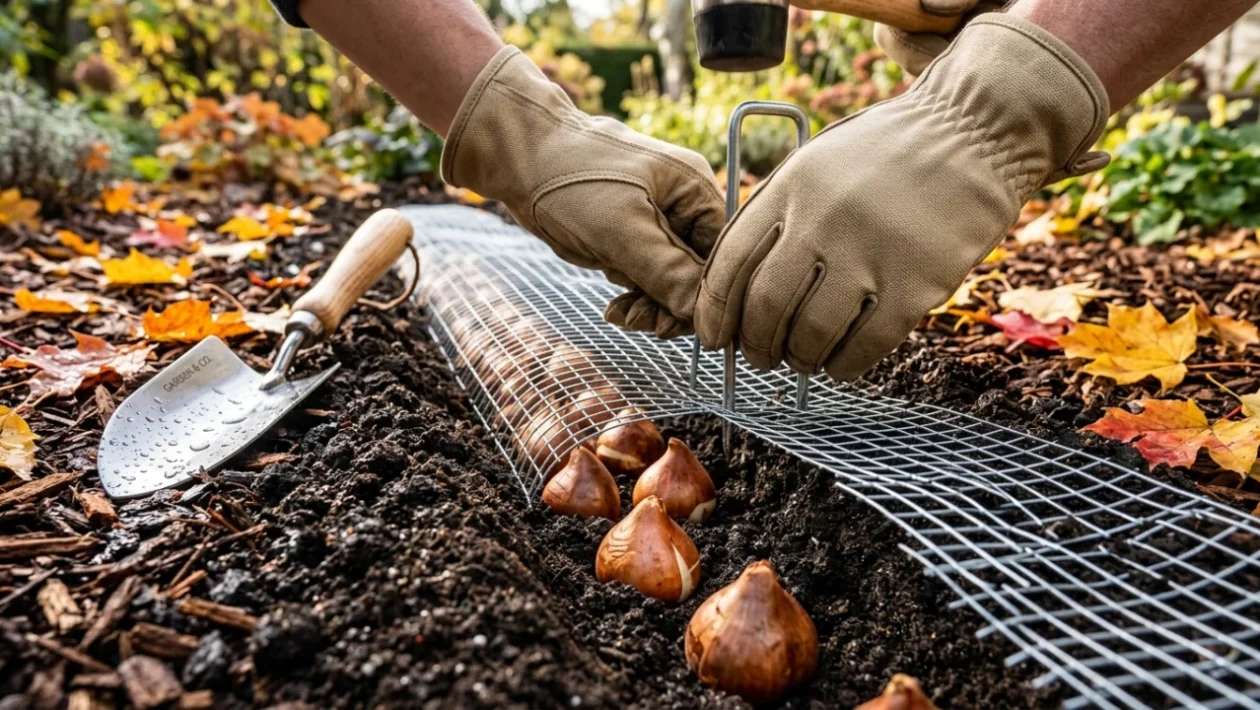
Repellents wash away with autumn rain, but physical armour provides continuous protection all winter long. The gold standard for securing tulips is hardware cloth, a sturdy galvanized wire mesh with half-inch (1.2-centimetre) openings.
Tulip shoots easily emerge through the grid in spring, but rodent paws cannot penetrate the steel wire. Chicken wire works as a secondary alternative, though persistent squirrels can occasionally bend lighter-gauge materials.
How to Install Wire Mesh Over Bulb Beds
- Dig your planting trench to a depth of roughly 15 to 20 centimetres, ensuring the base drains properly.
- Place your tulip bulbs pointed end up, spacing them evenly across the bottom of the trench.
- Backfill halfway with soil, firming it down gently around the bulbs to eliminate air pockets.
- Cut a sheet of galvanized hardware cloth extending at least 15 centimetres past the perimeter of the bed.
- Lay the mesh flat over the soil and pin it firmly with heavy-duty metal landscape staples.
- Cover the barrier with the remaining topsoil, rake it smooth, and water thoroughly to compress the surface.
For container gardeners, cut a circular piece of wire mesh to match the inner pot diameter. Wedge it firmly a few centimetres above the bulbs before topping the pot with soil and decorative gravel.
Comparing Squirrel Deterrent Methods
Different garden setups require distinct defensive tactics. Review how common strategies compare in durability and effort:
| Protection Method | How It Works |
|---|---|
| Galvanized hardware cloth | Physically blocks claws from reaching bulb depth while letting spring stems emerge freely. |
| Deep planting (20 cm) | Places bulbs below common foraging depth and diffuses surface moisture signals. |
| Sharp crushed gravel | Irritates sensitive squirrel paws and prevents effortless vertical trenching. |
| Interplanting alliums or daffodils | Masks tulip presence using pungent natural odours and toxic alkaloid compounds rodents avoid. |
| Total bed sanitation | Eliminates visual cues like loose dirt and discarded bulb tunics that attract curious pests. |
Smart Planting Strategies and Unpalatable Companions
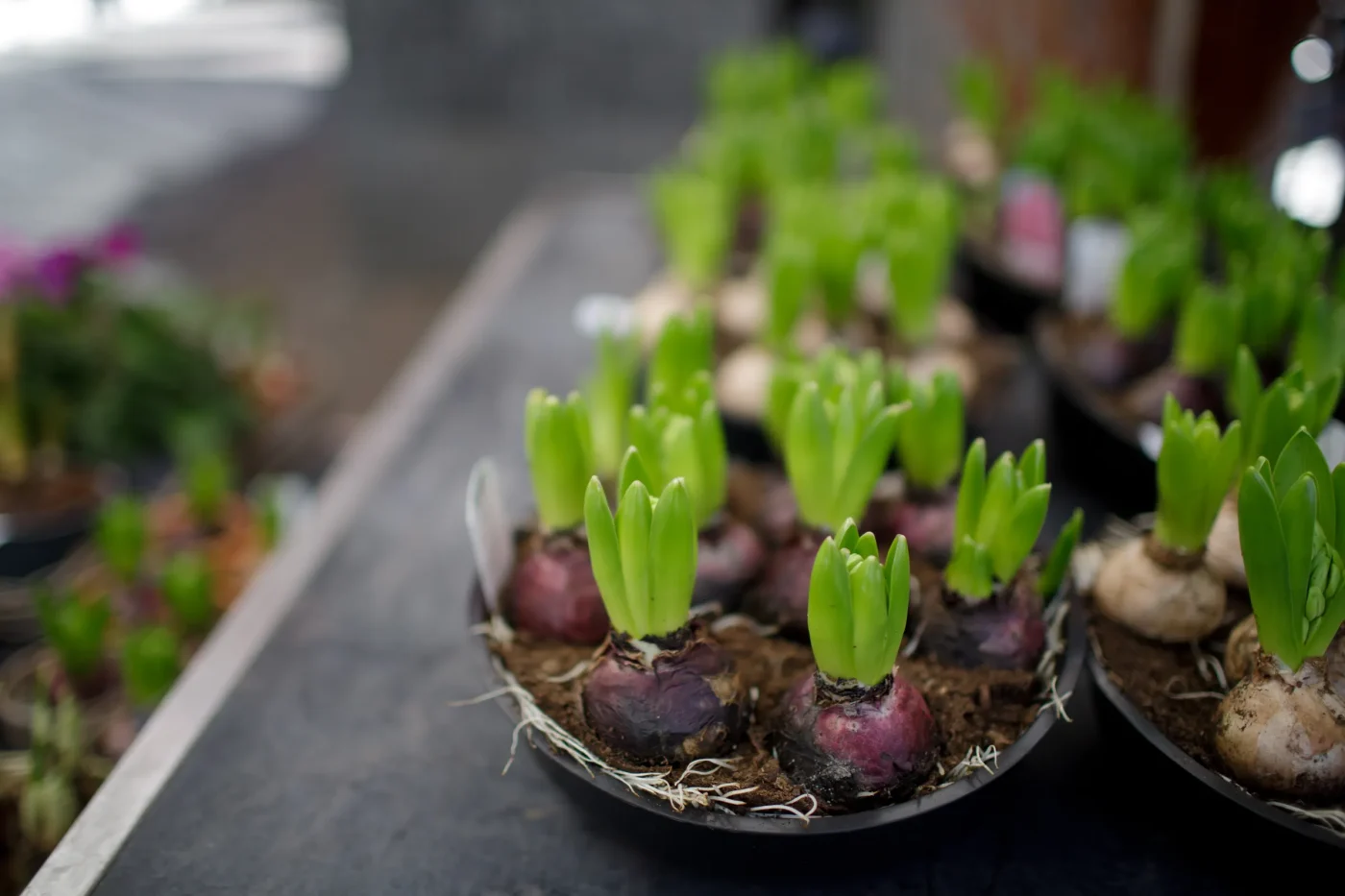
Bulbs planted too shallowly are an open target. While standard instructions suggest planting at three times the bulb height, going slightly deeper—around 20 centimetres—provides better insulation and discourages shallow burrowing.
Mixing coarse crushed stone or granite chips directly into the top layer of backfill soil adds another line of defence. When claws encounter sharp edges, digging stops almost instantly.
You can also outwit wildlife by planting tulips alongside species rodents refuse to eat. Daffodils (Narcissus) contain lycorine, a bitter compound squirrels avoid instinctively. Alliums and Fritillaria release strong sulphurous odours that mask delicate tulip scents throughout the bed.
Interplanting ornamental alliums directly around tulip groupings creates a natural scent wall that confuses foraging animals throughout early winter.
Garden Sanitation and Post-Planting Care
After putting your bulbs in the ground, meticulous clean-up is your best defence. Collect every scrap of brown bulb husk, rake the soil completely level, and disguise the disturbed zone with fallen leaves or pine needles.
Water the bed deeply immediately after planting. Moisture settles loose topsoil, eliminates hollow scent pockets, and erases lingering human odours. When the surface looks undisturbed and firm, squirrels bypass the area in search of easier foraging grounds.
💚 Have you tried wire barriers or companion planting to safeguard your spring garden?
✨ Share your favourite rodent-proofing tips and bulb varieties in the comments below.
📱 Pass this guide along to a fellow Canadian gardener gearing up for planting season!