
Cutting back herbaceous peonies down to five centimetres above the soil line in late autumn is the single most effective defence against returning fungal outbreaks. Leaving mildew-coated stems standing through the winter allows fungal resting structures to shelter right at the crown, ensuring that next spring’s tender shoots emerge straight into active infection zones.
Across Canadian gardens, late-season white dusting across peony leaves is an unwelcome autumn routine. While the fungal coating rarely kills mature plants outright in a single season, chronic infestations sap stored root energy, deplete spring bud development, and leave neighbouring perennials vulnerable. Taking proactive action before the first hard ground freeze halts the cycle in its tracks.
Why Autumn Sanitation Is Crucial for Peony Health
Powdery mildew is caused by specialized airborne fungal pathogens that target surface plant tissue when warm, dry days collide with humid evenings. During late summer and early autumn, the fungus shifts from rapid spore production to creating microscopic overwintering bodies on the foliage.
When infected leaves wither and collapse onto garden beds, these structures drop directly onto the root crowns and surrounding mulch. Snow cover creates an insulated microclimate that protects these pathogens until rising spring temperatures trigger their release directly onto new shoots.
Pruning peony foliage flush to the ground in late autumn strips the fungus of its primary overwintering habitat, preventing spores from reinfecting tender spring crowns.
Simply spraying treatments late in the season yields diminishing returns once foliage starts senescing. Physical removal remains the gold standard for disease control, but executing the cut correctly requires understanding which type of peony grows in your yard.
The Crucial Distinction: Herbaceous Versus Tree Peonies
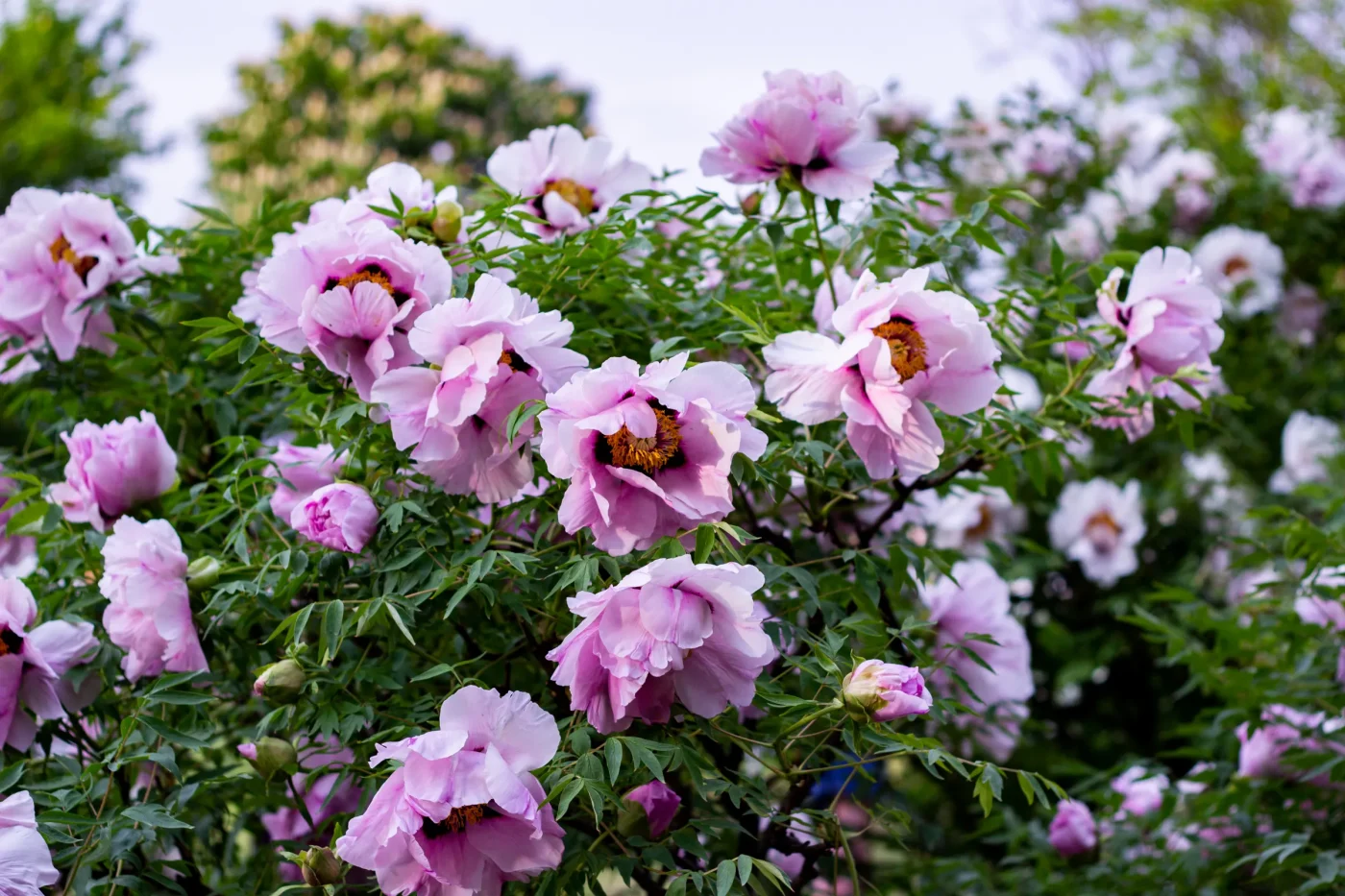
A frequent autumn mistake is applying the same aggressive pruning technique across every peony cultivar. Knowing whether your plant is an herbaceous perennial, an intersectional hybrid, or a woody tree peony determines whether your shears will save the plant or destroy next year’s flower buds.
| Peony Classification | Autumn Pruning Protocol |
|---|---|
| Herbaceous Peonies (Common Garden Types) | Cut entirely down to 2 to 5 cm above ground level after the first killing frost. |
| Intersectional Peonies (Itoh Hybrids) | Cut back to low woody branch nodes near ground level once leaves turn brown. |
| Tree Peonies (Woody Stems) | Remove only infected leaves by hand; never prune main woody branches down to the soil. |
Herbaceous varieties naturally produce underground eyes on the crown for the following season. In contrast, tree peonies develop their spring flowers on persistent woody stems above ground, meaning cutting them to the earth eliminates all upcoming blooms.
Step-by-Step Fall Cutback Routine
Timing your garden cleanup matters just as much as your pruning technique. Wait until the first light frost signals the root system to pull its final reserves underground, turning the foliage yellow or bronze.
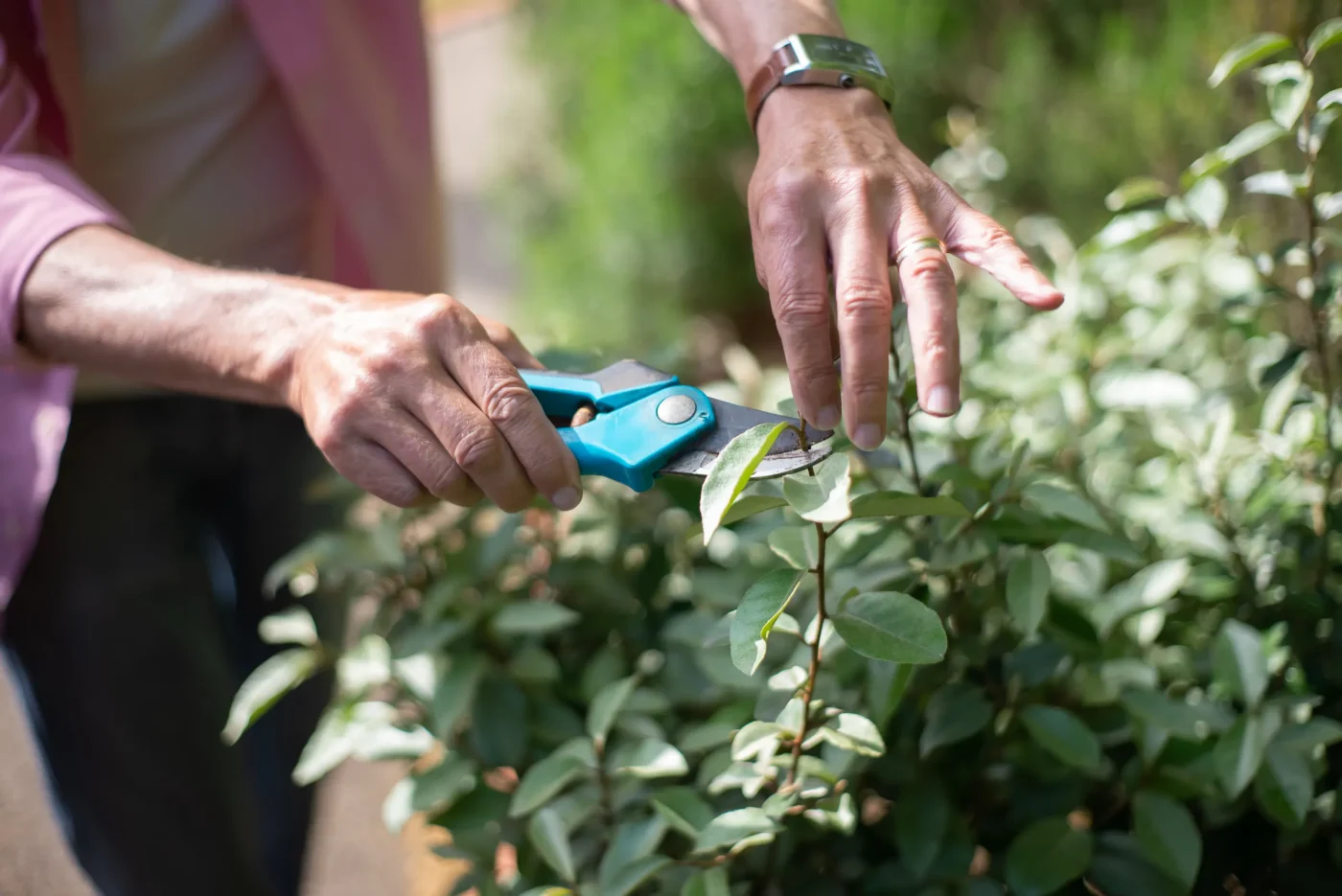
- Sanitize your cutting tools: Wipe bypass pruners with 70 percent isopropyl alcohol or a household disinfectant before starting to avoid spreading pathogens between plants.
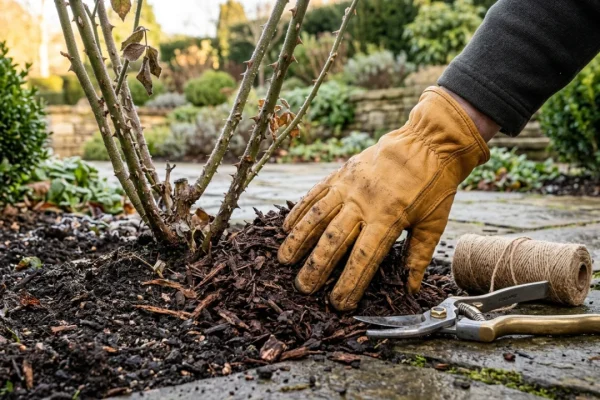
- Cut stems cleanly near the base: Snip herbaceous stems roughly two to five centimetres above the soil surface, taking care not to gouge the delicate pink underground eyes nestled just beneath the dirt.
- Clear dropped organic matter: Rake away all dried leaf fragments, old mulch, and plant debris sitting around the crown where spores can linger.
- Dispose of infected waste properly: Bag all trimmed foliage and infected mulch for municipal yard collection or deep landfill disposal rather than adding it to home compost heaps.
- Re-sanitize tools: Thoroughly clean shears before moving on to healthy border perennials, roses, or shrubs.
The Composting Myth: Why Home Piles Spread Mildew
A widespread belief among home gardeners is that standard backyard compost tumblers naturally neutralize fungal plant diseases over the winter. In Canadian conditions, domestic compost bins rarely sustain the continuous internal core temperature of 55 to 60 degrees Celsius required to break down resilient fungal structures.
Tossing mildewed peony stems into home heaps usually preserves the spores. Spreading that finished compost across garden beds next spring acts as an inadvertent delivery system, scattering viable spores across susceptible perennials and vegetables.
Relying on municipal composting facilities is far safer. Industrial operations monitor high, sustained thermophilic heat cycles that effectively destroy plant pathogens, keeping local garden soils clean and productive.
Preventing Spring Recurrence
Once diseased tops are removed and cleared away, leaving crowns bare until the ground freezes prevents early rot. In regions experiencing severe sub-zero winters with limited snow cover, applying clean, fresh straw or shredded bark after the ground freezes protects shallow roots without harboring old disease.
Spacing plants to encourage cross-breeze ventilation and shifting morning irrigation directly to the soil root zone rather than overhead foliage keeps leaves dry when spring growth takes off, closing the door on powdery mildew peonies face year after year.
💚 Have you tackled your autumn peony pruning yet?
✨ Share your favourite garden cleanup tips in the comments below.
📱 Pass this guide along to your fellow gardeners preparing their borders for winter! 👇