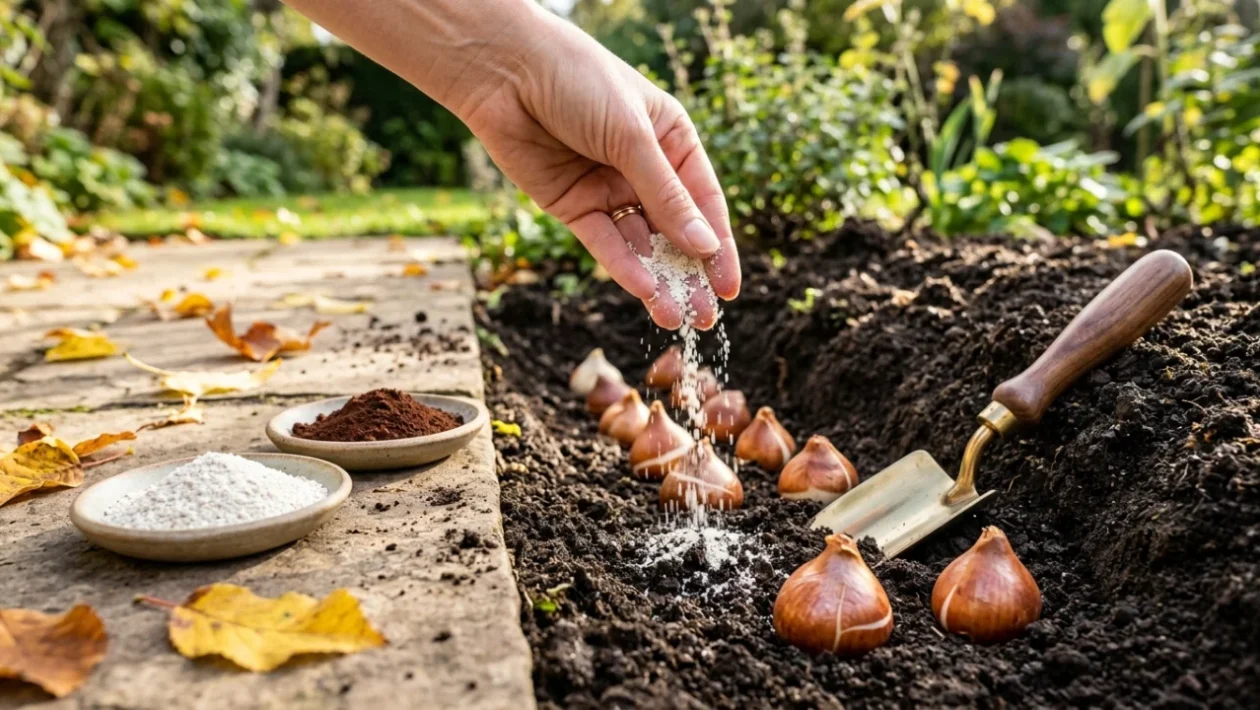
Choosing between blood meal vs bone meal comes down to a single biological priority: fall-planted bulbs need immediate root establishment rather than lush foliage. Bone meal delivers the concentrated phosphorus required to anchor root systems before winter freezes the soil, whereas blood meal provides heavy nitrogen that can trigger unwanted leaf growth right before a killing frost. Applying the wrong amendment at planting time can leave tender spring bulbs vulnerable to cold damage or uninvited backyard scavengers.
Spring-flowering species such as tulips, daffodils, alliums, and crocuses enter the ground during the cool autumn months with a pre-formed flower bud tucked inside their protective tunic. Their immediate goal is not to produce green leaves above ground, but rather to establish strong root anchors before sub-zero temperatures lock the topsoil. Understanding how these two distinct slaughterhouse by-products interact with bulb biology is the secret to getting massive spring blooms instead of rotted, damaged bulbs.
The Core Difference: Nitrogen Punch vs Root Fuel
Both products are traditional organic amendments, yet their elemental profiles could not be more polarized. Blood meal is essentially dried, powdered animal blood, creating an intense, water-soluble infusion of nitrogen with an average N-P-K formulation near 12-0-0. It acts rapidly, feeding leafy top growth and imparting deep green colour to heavy-feeding vegetables during active vegetative stages.
In contrast, bone meal consists of finely ground, steamed animal bones rich in phosphorus and calcium, typically carrying an analysis around 3-15-0 or 4-12-0. Because phosphorus is largely immobile in ground soil, it does not leach away with fall rains. Instead, it sits directly at the root zone, fuelling cell division and structural anchor development throughout early dormancy.
| Property | Comparison Details |
|---|---|
| Primary Nutrient | Blood meal provides high nitrogen; bone meal supplies high phosphorus and calcium. |
| Plant Function | Blood meal fuels leafy vegetation; bone meal drives root anchors and bud strength. |
| Release Speed | Blood meal breaks down quickly; bone meal releases slowly over several months. |
| Planting Timing | Blood meal suits spring top-dressing; bone meal suits fall in-trench application. |
| Wildlife Interaction | Blood meal can deter deer; bone meal often attracts dogs, skunks, and raccoons. |
Dumping a high-nitrogen amendment into a planting trench tricks the bulb into thinking spring has arrived early. The resulting flush of tender green shoot growth saps the bulb of stored carbohydrates and gets scorched as soon as ground frost sets in.
Why Fall Planting Demands Phosphorus Over Foliage
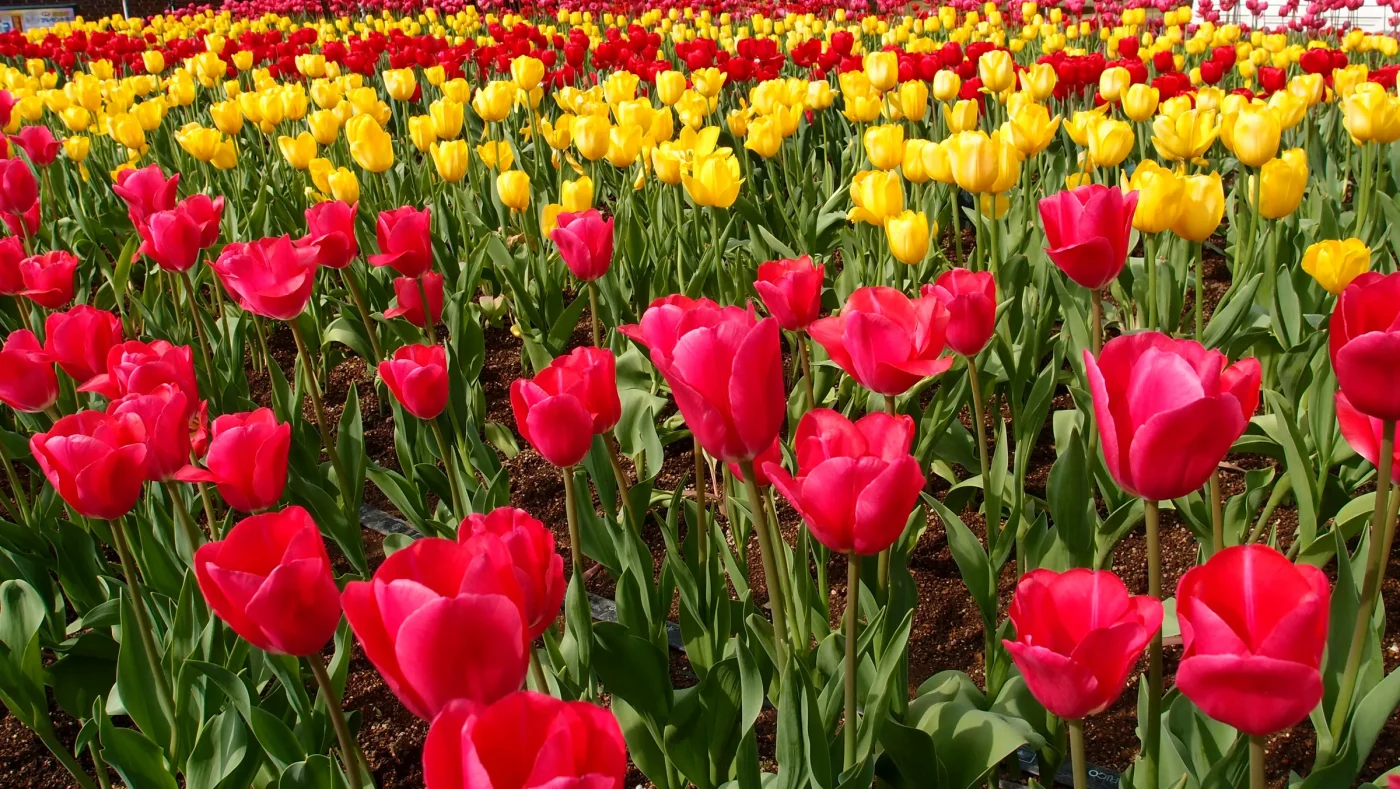
A dormant bulb operates like a self-contained storage battery. It already contains all the embryonic foliage and flower petals it needs for the upcoming season, all packed neatly inside swollen fleshy scales.
Applying excess nitrogen during autumn planting forces premature above-ground shoots that freeze during winter, while targeted phosphorus stays in place to feed the basal plate where roots originate.
When you bury a bulb in cool soil, the basal plate begins generating primary roots within days. These roots require substantial phosphorus to construct cellular membranes and absorb soil moisture. Because bone meal breaks down steadily over several months, it feeds those emerging feeder roots without forcing premature leaf elongation.
The Cold-Climate Ground Factor
In regions where ground freezes run deep, winter survival depends entirely on the depth and density of this root system. A shallow, poorly anchored bulb is prone to frost-heaving, a destructive process where alternating freeze-thaw cycles physically push the bulb out of the earth. Sturdy roots stimulated by available phosphorus grip the surrounding soil particles, anchoring the bulb securely beneath the frost line.
The Backyard Trap: Soil Chemistry, Dogs, and Scavengers
Despite its reputation as the gold standard for bulbs, bone meal carries two significant drawbacks that catch many gardeners off guard: soil pH sensitivity and pest attraction. The widespread myth is that bone meal works universally in any garden bed, but soil chemistry tells a far more complicated story.
Phosphorus bound in steamed bone meal only becomes bioavailable to plants when soil pH is below 7.0. In alkaline soils, the calcium binds tightly to the phosphorus, rendering it insoluble and virtually useless to developing roots. If your garden sits on limestone-heavy earth, adding bone meal simply deposits inert powder into the hole.
The second hazard involves neighbourhood wildlife. The distinct scent of bone meal can trigger an aggressive scavenging response from raccoons, skunks, and domestic dogs. Gardeners often wake up to find their freshly dug bulb beds completely excavated by local wildlife tracking the scent of animal protein.
Blood meal, conversely, tends to act as an olfactory repellent against browsing herbivores such as rabbits and deer. However, using it as an animal deterrent in autumn remains risky due to the nitrogen hazard.
How to Feed Bulbs Safely at Planting Depth
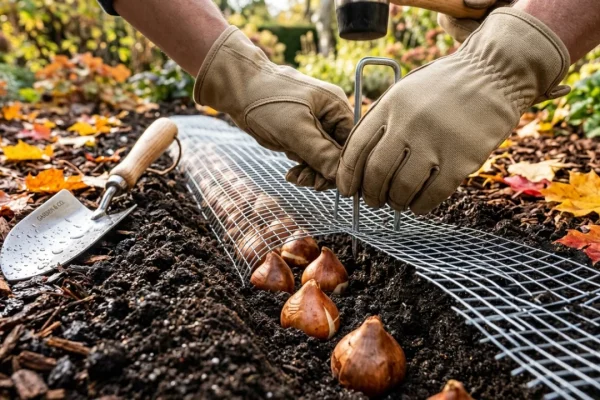
To maximize root establishment while avoiding digging pests and nutrient lockout, follow this precise trenching sequence during planting:
- Excavate to the correct depth: Dig the planting trench roughly three times as deep as the bulb’s vertical height, ensuring loose soil remains at the base.
- Incorporate the amendment below the bulb: Dust bone meal into the very bottom of the hole and work it into the subsoil, ensuring direct contact with the anticipated root zone.
- Add a protective soil buffer: Spread a thin 2-centimetre layer of unamended garden soil directly over the fertilizer so the raw amendment does not sit in direct contact with the sensitive basal plate.
- Set the bulbs firmly: Press each bulb pointed-end up into the buffer layer with adequate spacing between varieties.
- Backfill and firm the site: Fill the trench with surrounding soil and tamp down firmly to remove air pockets and mask any lingering animal scents.
If skunks or neighbourhood dogs frequently dig up your garden beds, consider substituting bone meal with rock phosphate or a certified organic mycorrhizal inoculant. These alternatives promote aggressive root branching without sending scent signals that compromise your planting site.
Save your blood meal for late spring, when established bulbs finish flowering and require a light nitrogen boost to recharge their green foliage before natural dieback.
💚 Have you experienced raccoons or dogs digging up your bulb beds after feeding?
✨ Drop your favourite bulb-planting tips and amendment choices in the comments below!
📱 Share this seasonal planting guide with fellow gardeners preparing their beds for a vibrant spring display!