Removing spent flowers from potted chrysanthemums can extend colourful autumn displays by several weeks when done correctly. Snipping faded heads stops seed production and redirects vital moisture and starches into developing secondary buds that would otherwise stall in Canadian autumn weather.
Garden chrysanthemums—commonly sold at garden centres across the country from Ontario to British Columbia—arrive packed with tight flower buds designed for immediate porch impact. Left unattended, older blossoms quickly brown, develop mould during damp autumn rains, and signal the root system to prepare for dormancy before the plant reaches its full potential.
Why Deadheading Keeps Container Mums Blooming
Every floral structure on a potted mum has one biological imperative: produce viable seed before winter frost sets in. When petals fade and dry out, the plant consumes enormous amounts of stored sugars to ripen those nascent seeds at the base of the flower head.
When gardeners prune away deteriorating blossoms, that metabolic shift halts instantly. The root system and foliage channel stored energy toward immature lateral buds nestled beneath the primary cluster, giving you a fresh wave of colour that withstands brisk Canadian nights.
Pruning away dying flower heads does not merely tidy the foliage; it cuts off the hormone signal that tells container plants their lifecycle is finished for the season.
The Myth About Naturally Ending Blooms
A common misconception among home gardeners is that potted florist mums simply possess a fixed three-week lifespan that cannot be altered. Many assume browning blossoms indicate the plant is naturally finished and ready for the municipal compost bin.
In reality, standard container mums feature layered tiers of secondary and tertiary buds hidden beneath the primary canopy. Without prompt removal of spent blossoms, these lower buds stay dormant or wither in the shade of older petals, cutting the plant’s active display time in half.
Step-by-Step Technique to Deadhead Potted Mums
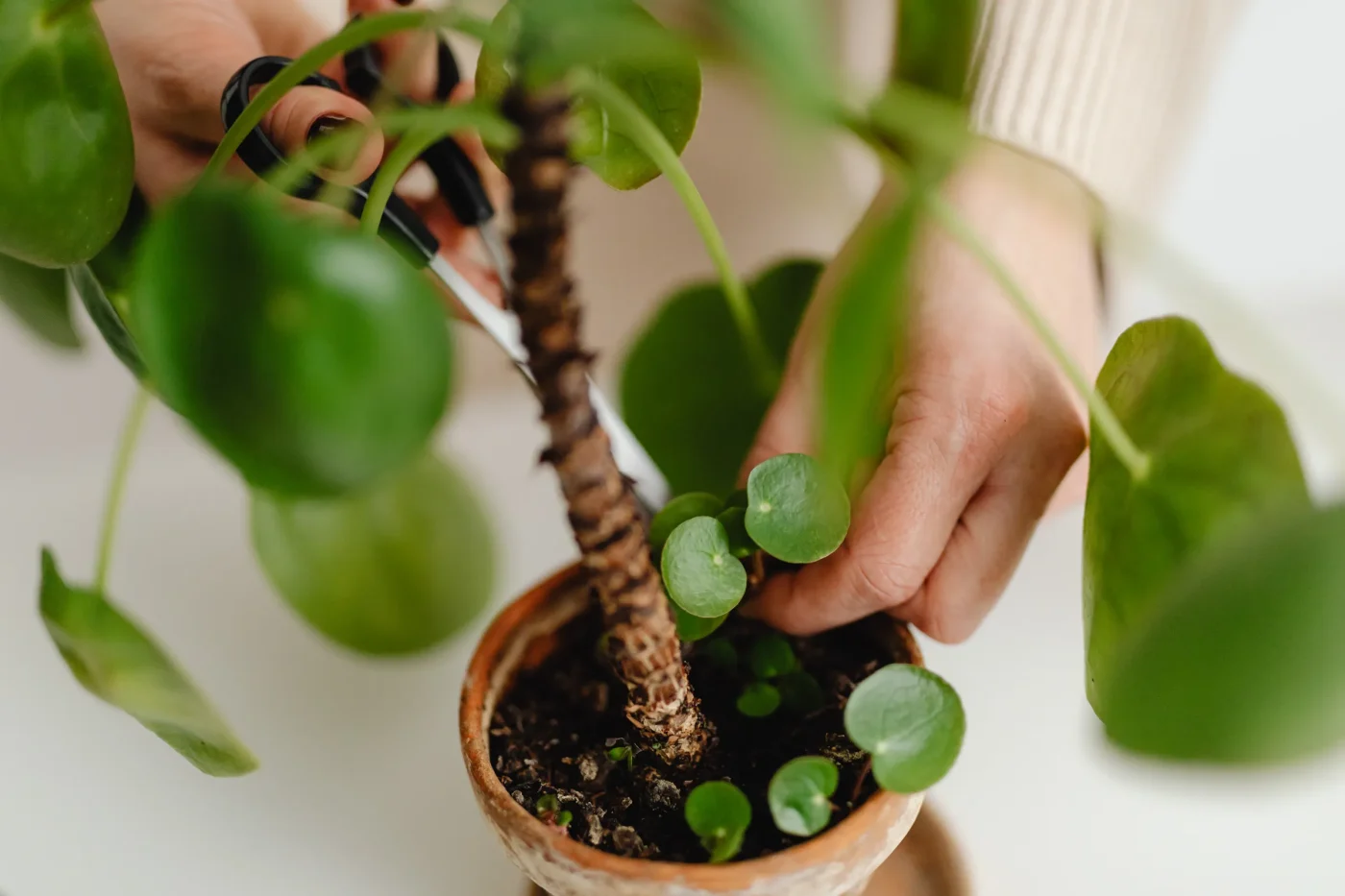
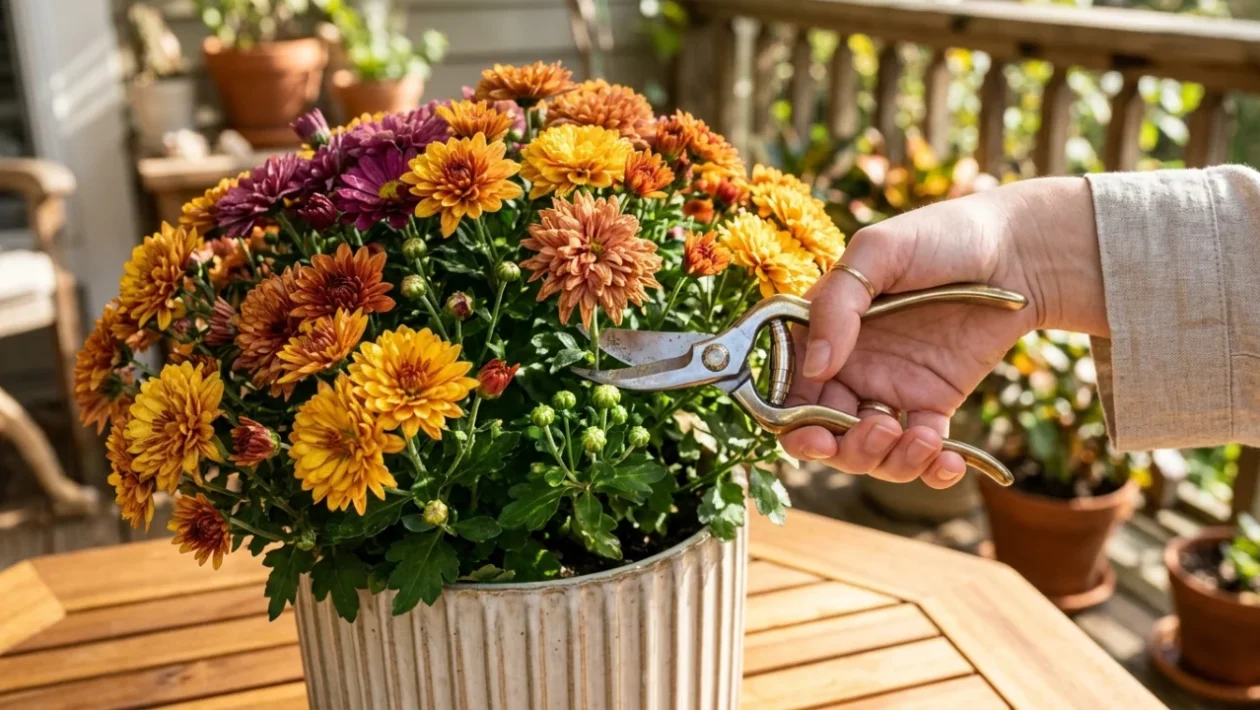
Proper pruning requires clean technique rather than tearing or rough pulling, which damages delicate stems and invites fungal infections during cool, damp weather.
- Inspect the canopy: Examine the container weekly to identify flowerheads whose petals have lost colour, wilted, or turned crisp brown around the margins.
- Locate the cut point: Follow the spent flower stem down past the dead head to the first junction where a fresh leaf node or green bud emerges.
- Make a clean snip: Using sterilised floral snips or clean fingertips, cut the stem roughly half a centimetre above that active junction at a clean angle.
- Clear away debris: Remove fallen petals and cut heads directly from the soil surface to prevent grey mould (Botrytis cinerea) from taking hold in damp container soil.
Trimming Versus Pinching: Which Method Works Best?
Gardeners often debate whether mechanical cutting or simple hand-pinching delivers better results for potted container arrangements.
| Pruning Method | Best Application & Benefit |
|---|---|
| Sharp Floral Snips | Ideal for woody or dense stems; delivers clean cuts that seal quickly without crushing delicate plant tissue. |
| Fingertip Pinching | Fast and effective for tender, soft flower stems; requires no tools during quick daily front-porch inspections. |
| Whole-Branch Shearing | Useful only after heavy frost damage; strips away spent blooms quickly when individual cutting takes too long. |
Regardless of whether you choose snips or fingers, cleanliness remains paramount when working with potted ornamentals. Wiping your tools with rubbing alcohol between plants prevents the rapid spread of common garden pathogens across your autumn porch containers.
Essential Care Tips to Support New Bud Development
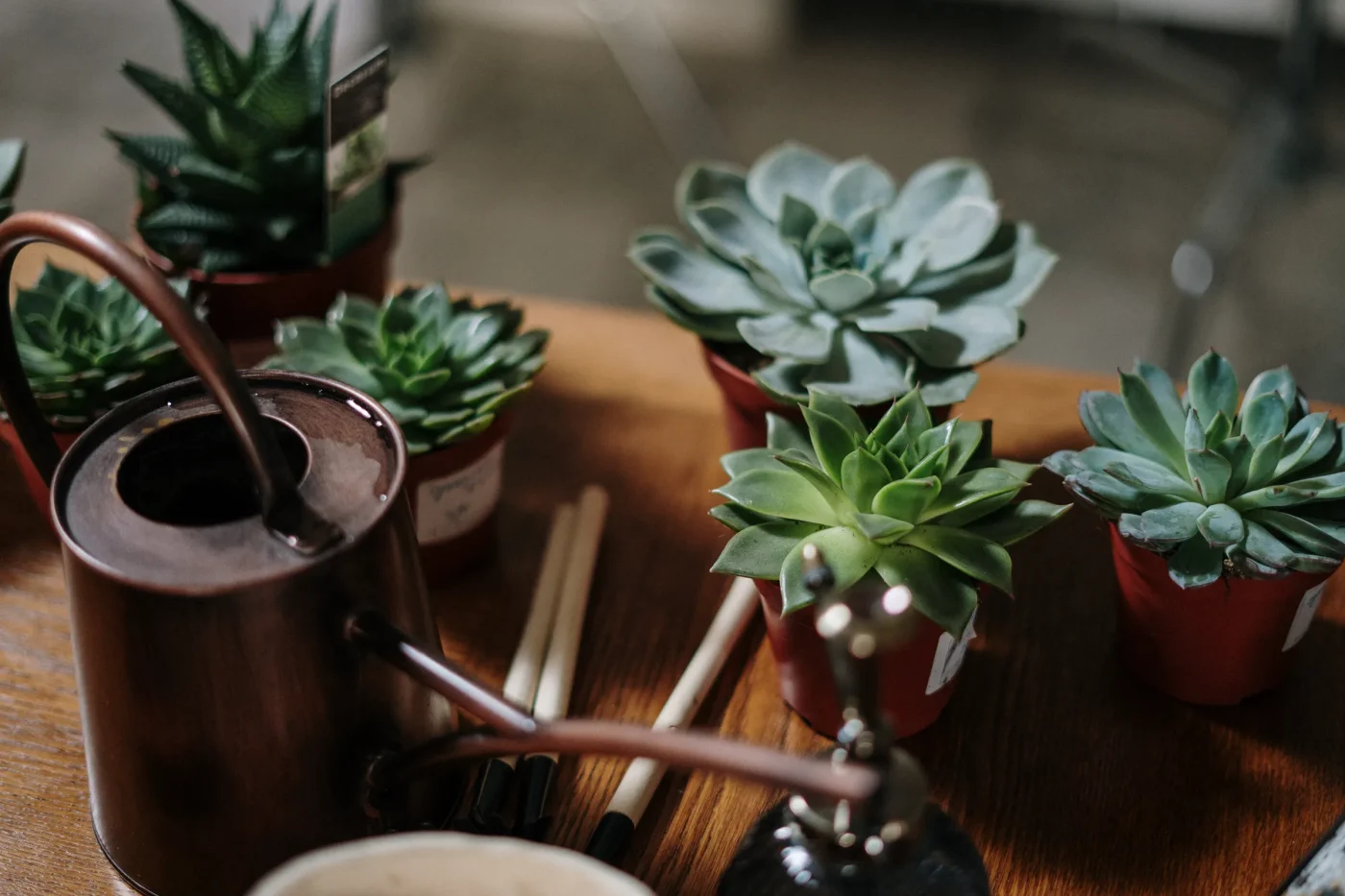
Deadheading alone cannot produce strong secondary blooms if the root system lacks fundamental moisture and light. Potted mums feature tight, fibrous root balls that dry out rapidly in autumn breezes, particularly in standard nursery plastic pots.
- Consistent bottom-tier watering: Water container soil directly at the base rather than showering foliage, which leads to fungal leaf spot in brisk autumn air.
- Full sun exposure: Position containers where they receive at least six hours of direct sunlight daily to encourage tight bud formation.
- Shelter from heavy frost: Pull potted arrangements against house foundations or under covered porches when night temperatures threaten to drop below freezing.
With timely snips and consistent hydration, your potted chrysanthemums will maintain a vibrant, crisp presence right through the core of the Canadian autumn season.
🌿 Have your autumn mums started to fade, or are you seeing fresh buds emerge?
💬 Leave a comment below and share your favourite cold-climate porch tips with fellow Canadian gardeners.
✨ Share this practical guide with friends looking to keep their autumn container displays looking fresh weeks longer.