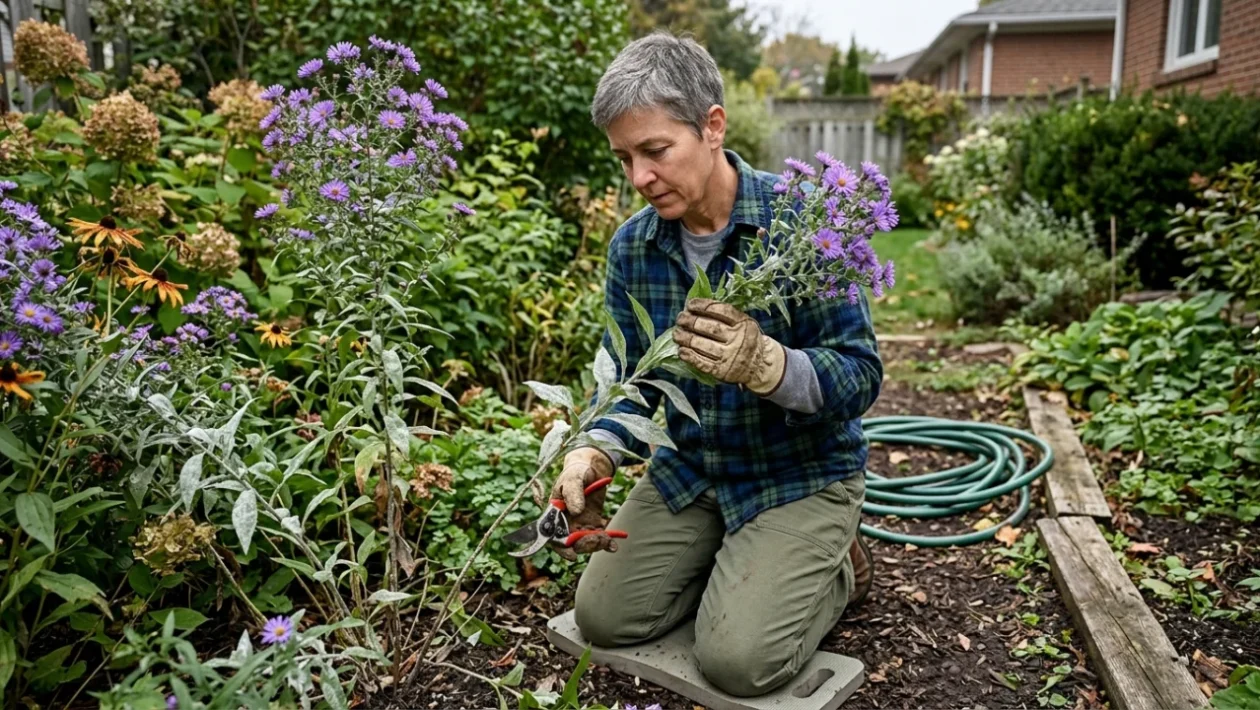
You can halt powdery mildew on garden asters by removing heavily coated leaves immediately, improving localized airflow, and applying potassium bicarbonate or horticultural oil sprays before the fungus colonizes your flower buds. Left unchecked, this common fungal infection leaches vital nutrients from foliage, turning vibrant late-season displays into brittle, discoloured stems just as the autumn blooming season hits its stride.
Asters (Symphyotrichum species) stand among the most resilient late-blooming perennials across Canadian garden zones, but their dense foliage makes them prime targets for fungal pathogens like Golovinomyces cichoracearum. Warm, dry afternoons followed by cool, damp nights create the ideal microclimate for microscopic spores to germinate across the upper leaf surfaces.
Stopping the spread requires swift action before the mycelium suffocates photosynthetic tissue entirely.
Why Does Powdery Mildew Target Fall Asters?
Unlike most plant fungi that require standing surface water to thrive, powdery mildew spores actually germinate best in dry conditions paired with elevated ambient humidity. When dense aster stems grow tightly clustered together in borders, stagnant air gets trapped around the lower foliage.
As daylight hours diminish in the autumn months, natural canopy drying slows down significantly. This prolonged dampness provides a sheltered haven for airborne spores carried in on garden breezes from neighbouring perennials.
A very common mistake is assuming powdery mildew will simply wash away in a rainstorm; in reality, high relative humidity accelerates spore spread while rain merely splashes fungal particles onto untouched lower leaves.
Understanding this cycle helps you choose treatments that target the fungus without stripping the plant of its natural defences.
Immediate Steps: How to Treat Powdery Mildew on Garden Asters
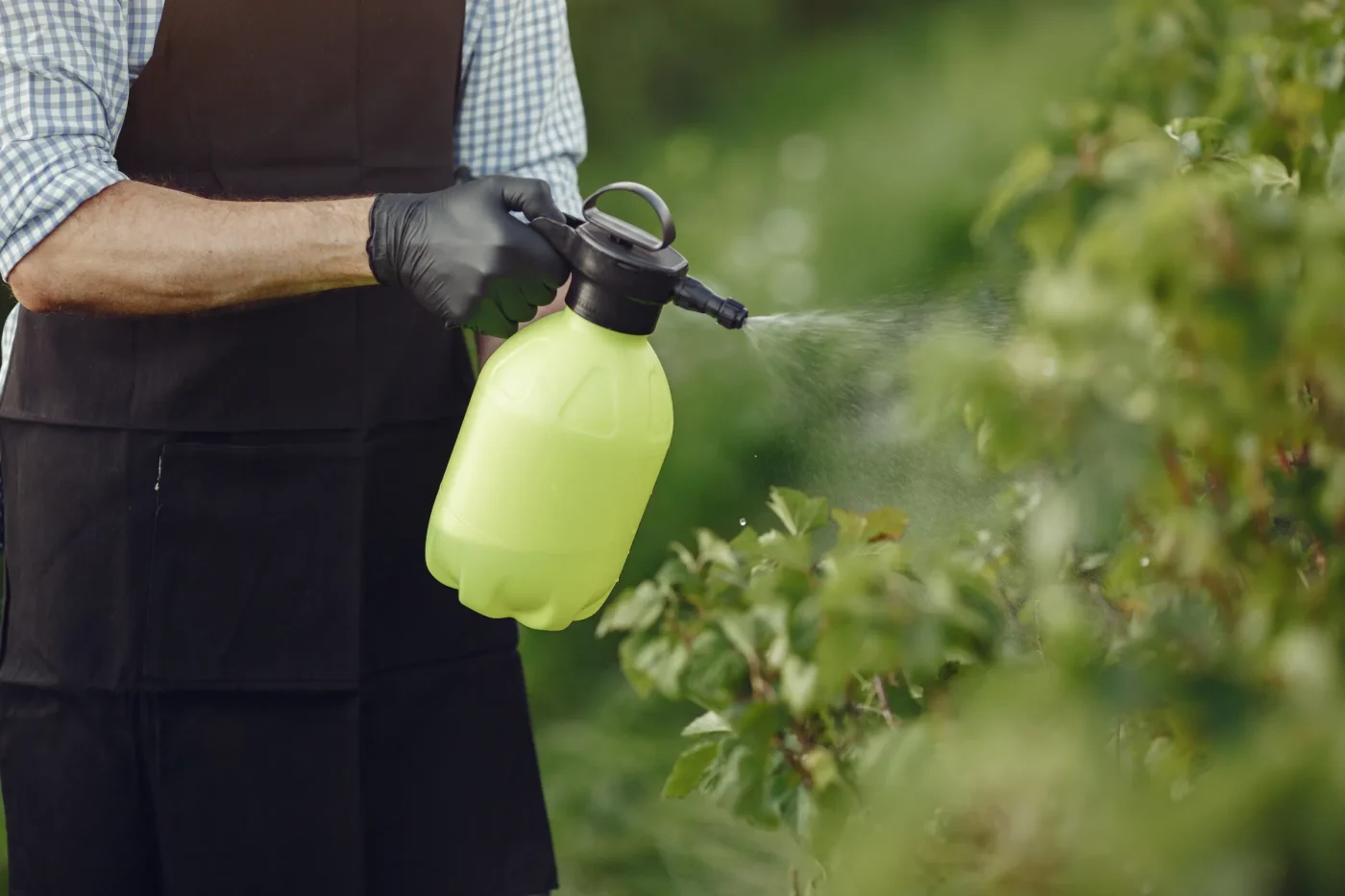
Once you spot the telltale dusting of white or pale grey powder across foliage, prompt physical and botanical interventions will stop the infection from reaching critical thresholds.
- Prune infected lower foliage: Using clean, sharp bypass pruners sanitized in isopropyl alcohol, clip away severely coated leaves and crowded interior stems. Dispose of all clipped material in the municipal green bin rather than your backyard compost pile.
- Apply a bio-fungicide or bicarbonate spray: Mix roughly 5 millilitres (one teaspoon) of potassium bicarbonate or horticultural baking soda with 2 millilitres of mild liquid castile soap per litre of water. Coat the upper and lower surfaces of affected leaves thoroughly during an overcast morning.
- Deploy horticultural oils: If patches persist, spray a dormant or horticultural neem-based oil emulsion to smother existing fungal structures and prevent new spores from establishing.
- Redirect garden irrigation: Shift from overhead sprinklers to base-level drip hoses or simple watering cans to keep foliage completely dry during watering routines.
Consistency is key when using organic solutions, as repeat applications every seven to ten days may be necessary during prolonged autumn dampness.
Myth vs. Fact: Can Home Remedies Replace Real Fungicides?
A widespread gardening myth suggests that a daily spray of plain tap water dissolves powdery mildew permanently. While high-pressure water can dislodge loose surface spores, saturated foliage left damp through chilly evenings inevitably fosters secondary fungal complications like leaf spot or root rot.
Scientifically tested remedies—such as potassium bicarbonate sprays or diluted milk solutions (a 1:9 milk-to-water ratio exposed to direct sunlight)—alter the surface pH or trigger natural antiseptic proteins that suppress fungal cell division without damaging tender aster petals.
Choosing the Right Treatment Method
Different stages of fungal pressure require distinct physical and topical solutions to safeguard your aster beds.
| Treatment Option | Primary Function & Best Timing |
|---|---|
| Sanitation & Selective Thinning | Removes heavy spore reservoirs and restores interior air circulation at first sighting. |
| Potassium Bicarbonate Spray | Disrupts fungal cell wall pH; ideal for moderate, active leaf spread. |
| Horticultural or Neem Oil | Eradicates active fungal mycelium and creates a protective coating on uninfected leaves. |
| Diluted Milk Wash (10% Solution) | Produces natural free radicals in sunlight to suppress early fungal germination. |
Preventing Mildew From Returning Next Season
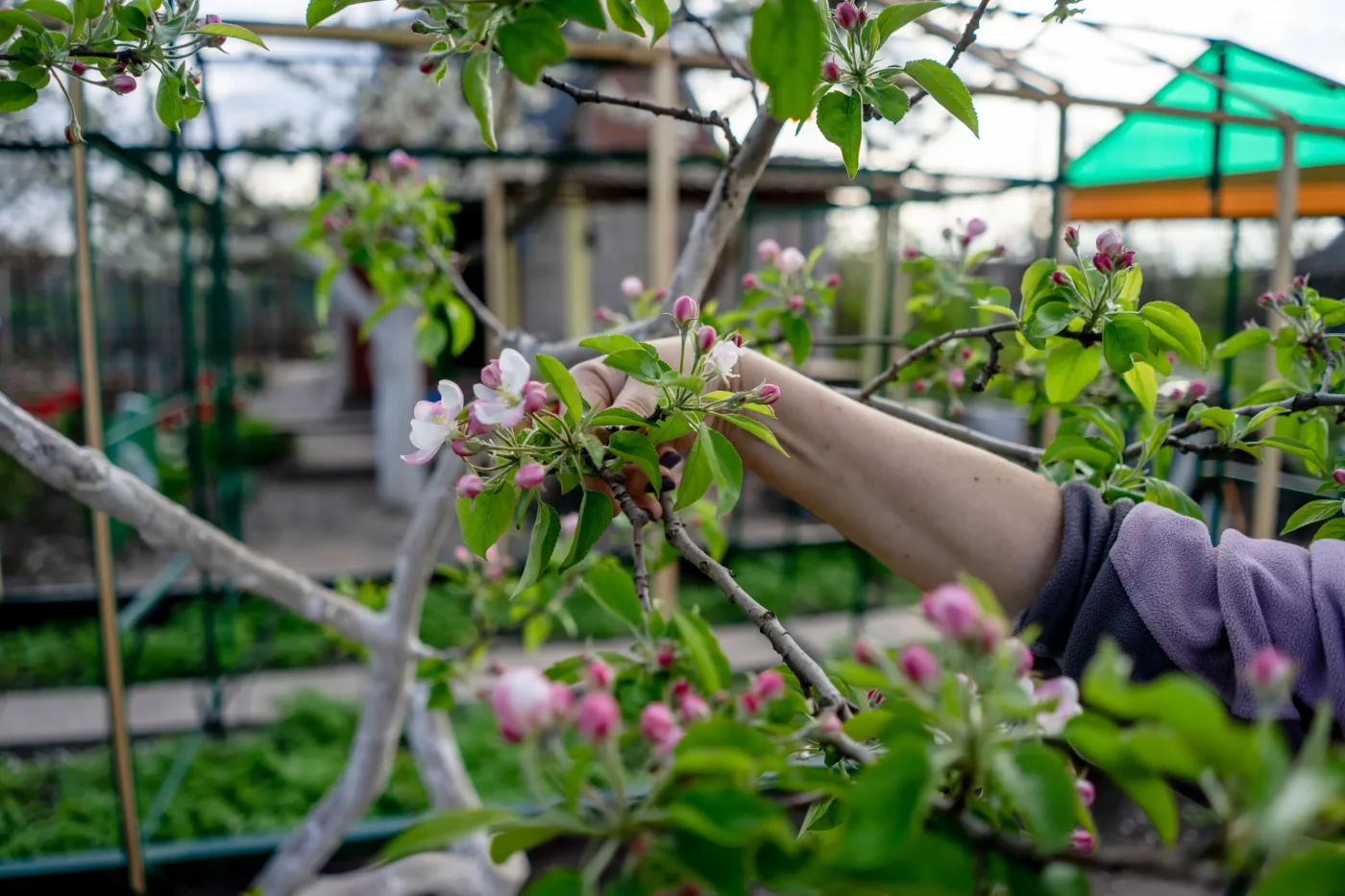
Preventative cultural care remains the ultimate defence against seasonal fungal outbreaks in perennial borders. Every two to three years in early spring, divide mature aster crowns to naturally thin out overcrowding before vegetative growth surges.
Plant asters in full sunlight whenever possible, as a minimum of six hours of direct sun naturally dries morning dew and inhibits spore vitality. Selecting mildew-resistant cultivars, such as specific selections of smooth aster (Symphyotrichum laeve) or New England aster (Symphyotrichum novae-angliae), provides a built-in genetic advantage against stubborn autumn pathogens.
Clear out dead stems and fallen aster foliage thoroughly at the end of the season to ensure dormant spores cannot overwinter in the soil surface layer.
💚 Have you battled powdery mildew on your garden asters this season?
✨ Leave a comment below to share which organic remedies worked best in your home garden beds.
📱 Share your experience with us and pass this guide along to help a fellow gardener protect their fall blooms.