Yes, fall mums survive winter in Ontario provided you plant cold-hardy garden varieties rated down to Zone 5 and establish their root systems in the ground before the frost sets in. While countless decorative autumn pots end up on the compost heap by November, the vast majority of outdoor garden mums possess the genetics of true perennials capable of flourishing for multiple seasons.
The widespread belief that these fiery autumn blooms are strictly temporary decorations stems from how they are typically handled. Left outdoors in shallow plastic containers, delicate root systems freeze solid long before deep winter arrives, creating the illusion that the plant itself cannot handle cold northern temperatures.
Bridging the gap between a single-season display and a lasting perennial comes down to recognizing plant varieties, timing your planting, and preparing crowns for the freeze-thaw cycle.
Hardy Garden Mums vs. Florist Mums: Spotting the Difference
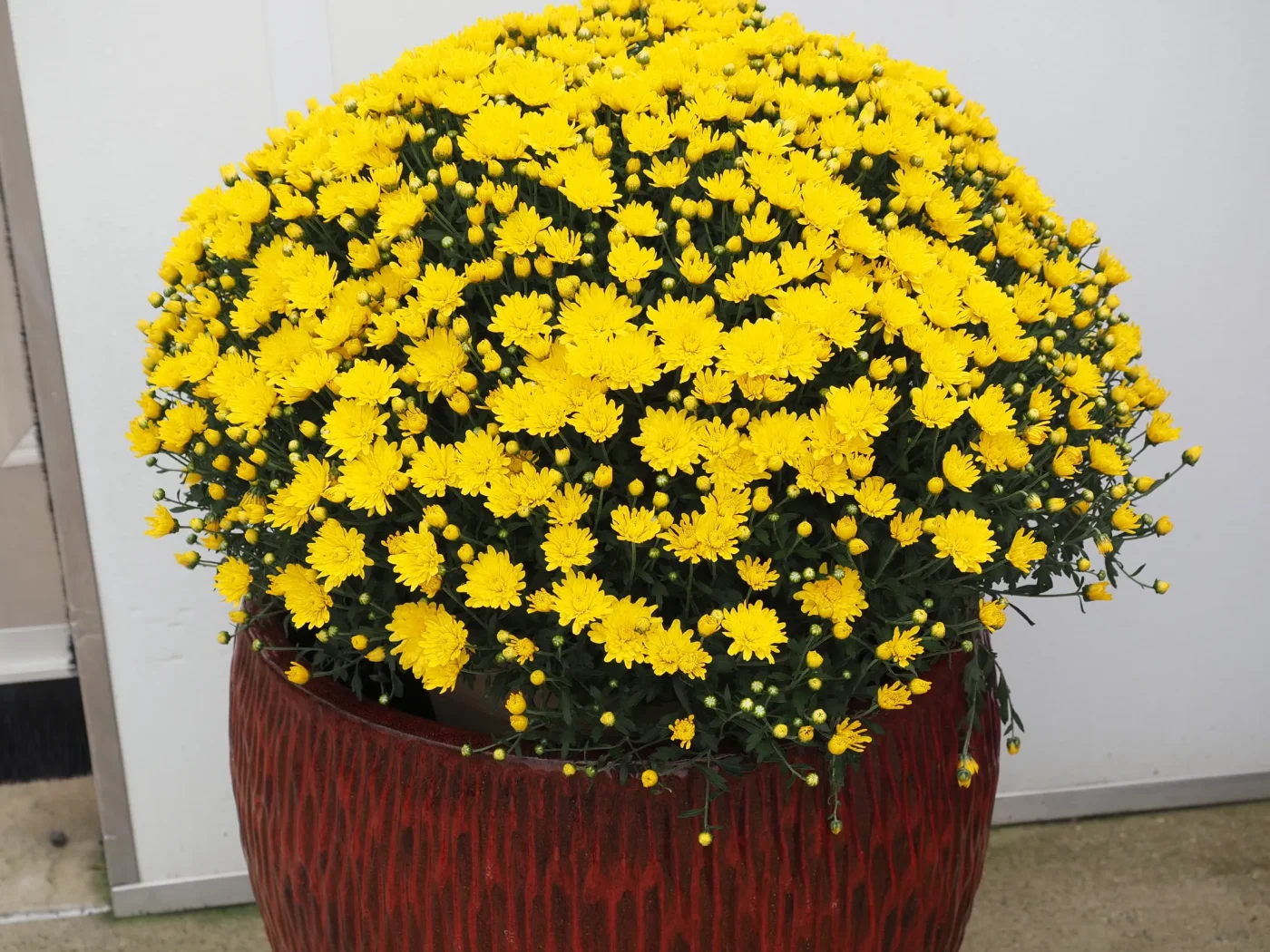
A common garden myth suggests that every potted mum sold in the autumn is interchangeable. In reality, nurseries stock two entirely distinct categories of plants, and putting the wrong one in your garden bed guarantees winter failure.
True garden mums carry the botanical name Chrysanthemum x morifolium and are cold-hardy down to USDA Zone 5, which encompasses the growing conditions across large portions of southern and central Ontario. Florist mums, often labelled as Chrysanthemum multicaule, are bred specifically for indoor display, feature thinner foliage, and completely lack the cold tolerance required to overwinter outdoors.
| Feature | Hardy Garden Mum |
|---|---|
| Botanical Identity | Chrysanthemum x morifolium |
| Cold Hardiness | Rated down to Zone 5 or lower |
| Leaf Shape | Deeply toothed, lobed margins |
| Typical Sales Location | Outdoor garden centre displays |
| Overwinter Potential | High when planted in well-draining soil |
Checking the plant tag before heading to the checkout counter is the most reliable way to verify cold hardiness. Look specifically for designations reading “hardy mum,” “garden mum,” or hardiness ratings listing Zone 6 or lower.
The Real Reason Ontario Mums Perish Over Winter
When cold-hardy varieties fail to return, planting timing and soil conditions are almost always the culprits rather than ambient air temperatures. Planting in late autumn means roots have barely any time to penetrate the surrounding earth before soil temperatures plunge.
Poorly rooted mums also tend to heave over winter, which means that the freezing and thawing of soil can push the rootballs up, leaving roots exposed to cold, drying winter wind.
Equally destructive is wet, compacted ground. Mum root systems are exceptionally prone to rotting if they sit in standing water or saturated clay beds through early spring thaw cycles. Selecting a planting site that receives at least six hours of direct sunlight each day and provides brisk soil drainage is mandatory for plant survival.
Step-by-Step: How to Help Your Mums Survive Winter
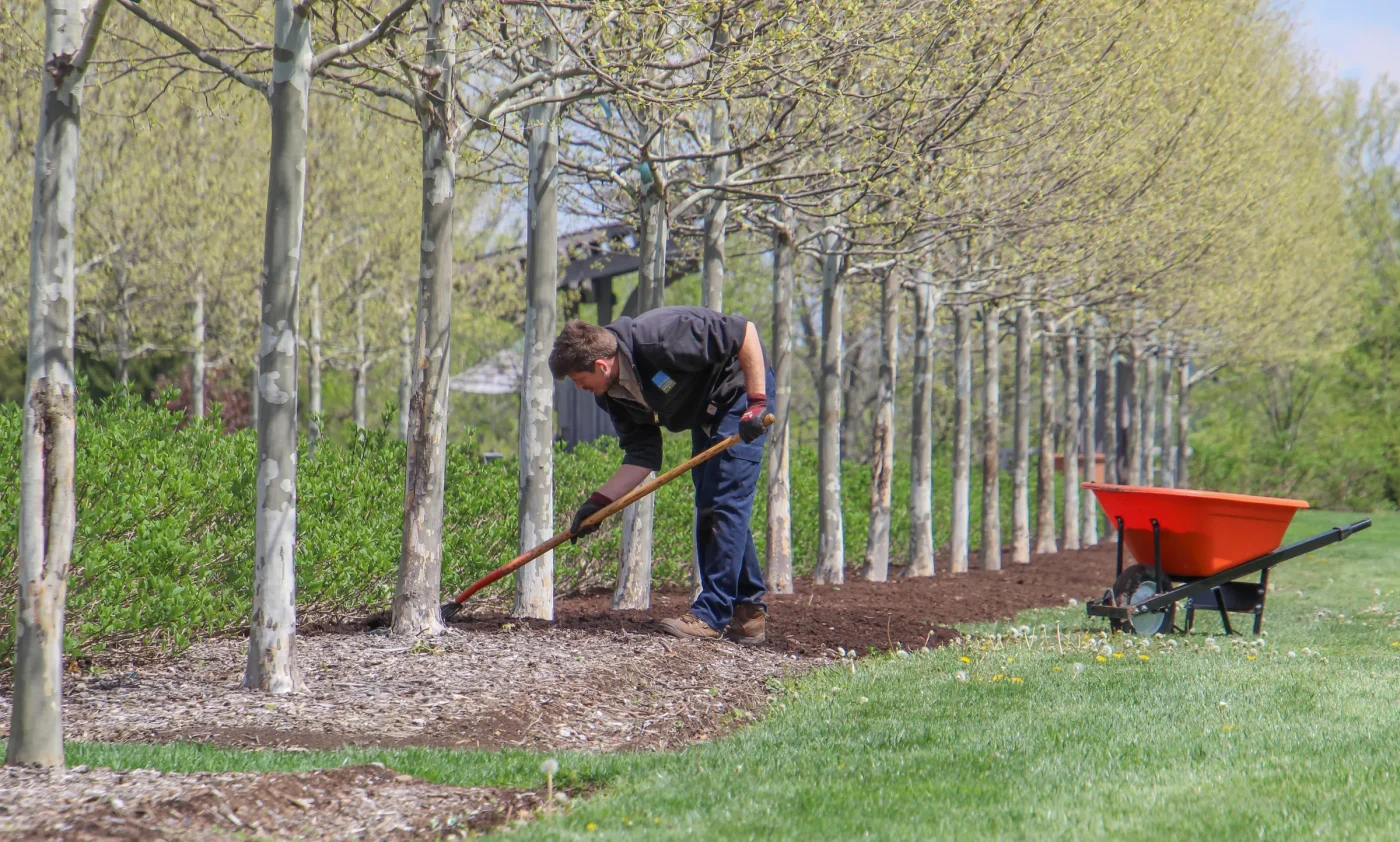
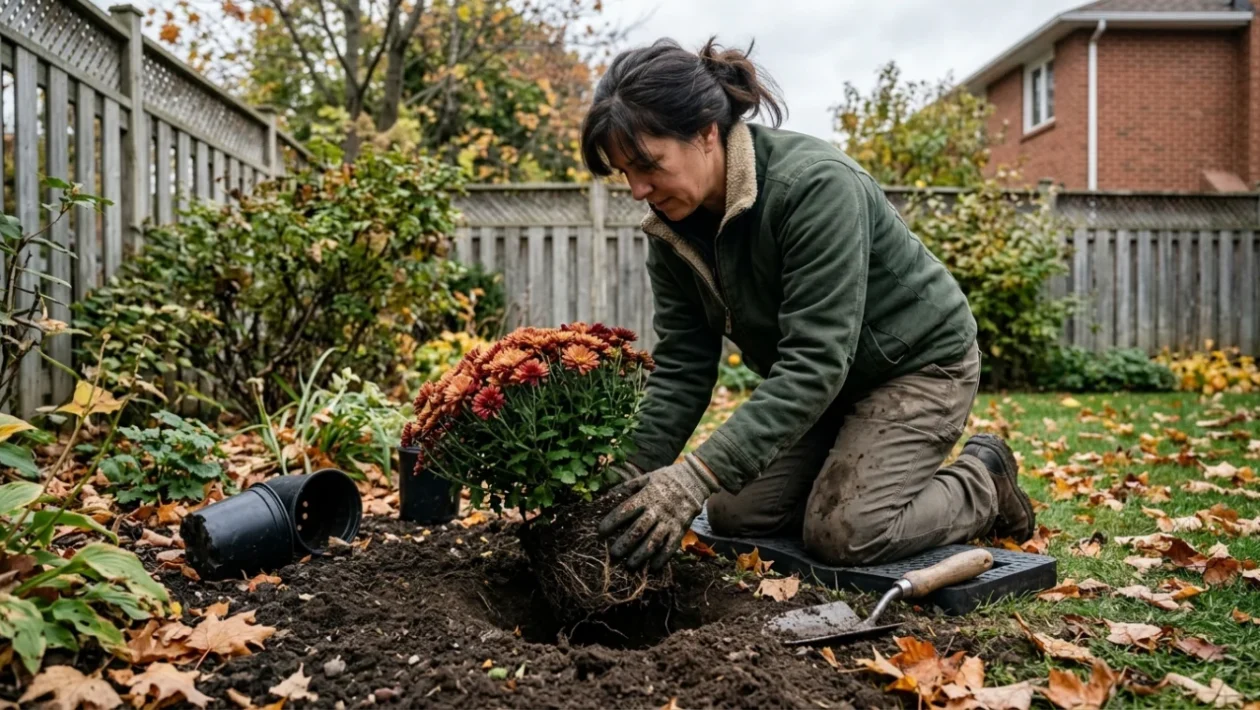
Transitioning potted fall mums into enduring landscape perennials requires a practical sequence of soil preparation and crown protection before the first hard ground freeze.
- Select an open, well-drained site: Find a planting location receiving at least six hours of daily sun. If dealing with heavy clay, work five to ten centimetres of compost into the top 25 to 30 centimetres of soil to build slightly elevated, well-draining beds.
- Settle roots into the ground promptly: While spring planting provides the best establishment window, early autumn planting remains vastly superior to leaving roots exposed in pots. Dig a hole as deep as the rootball, set the plant in place, and soak thoroughly.
- Maintain moisture until freezing: Water your newly planted mums during autumn dry spells to encourage rapid root growth right up until the top layer of soil freezes solid.
- Keep foliage completely intact: Resist the urge to cut dead stems down in late autumn. Leaving brown, standing foliage over winter shields the crown from sudden temperature drops and naturally traps fallen leaves for supplementary insulation.
- Apply protective mulch: Cover the base of the plant with a clean layer of straw, pine needles, or crossed evergreen branches to protect against winter heaving, clearing this cover away in early spring.
If you prefer keeping decorative pots on your front porch until the blossoms completely fade, you can still overwinter the containers indoors. Move the potted plants into an unheated garage or shed before harsh freezes arrive, watering them lightly a few times across the winter months so the root balls never dry out completely.
Nurturing Second-Year Blooms and Pinching Stems
Once fresh green shoots emerge around the base of the plant in early April, prune back the dried, dead stems from the previous season. Early spring is also the ideal window to divide expanding root clumps and scatter a balanced granular flower fertilizer around the base of the plant.
To avoid tall, spindly stems that flop under autumn rain, shear roughly one-third of the plant’s growth back once or twice throughout May and June. Stop all pruning by the end of June to allow the mum to set its autumn flower buds undisturbed.
💚 Giving decorative porch containers a permanent home in the garden takes only a little extra effort before winter locks up the ground.
✨ Take advantage of well-drained soil and intact foliage to enjoy reliable autumn colour season after season.
👇 Leave a comment below with your favourite mum varieties and tell us how your garden fared last winter!
📱 Share your experience with us and pass these winterizing tips along to fellow green thumbs.