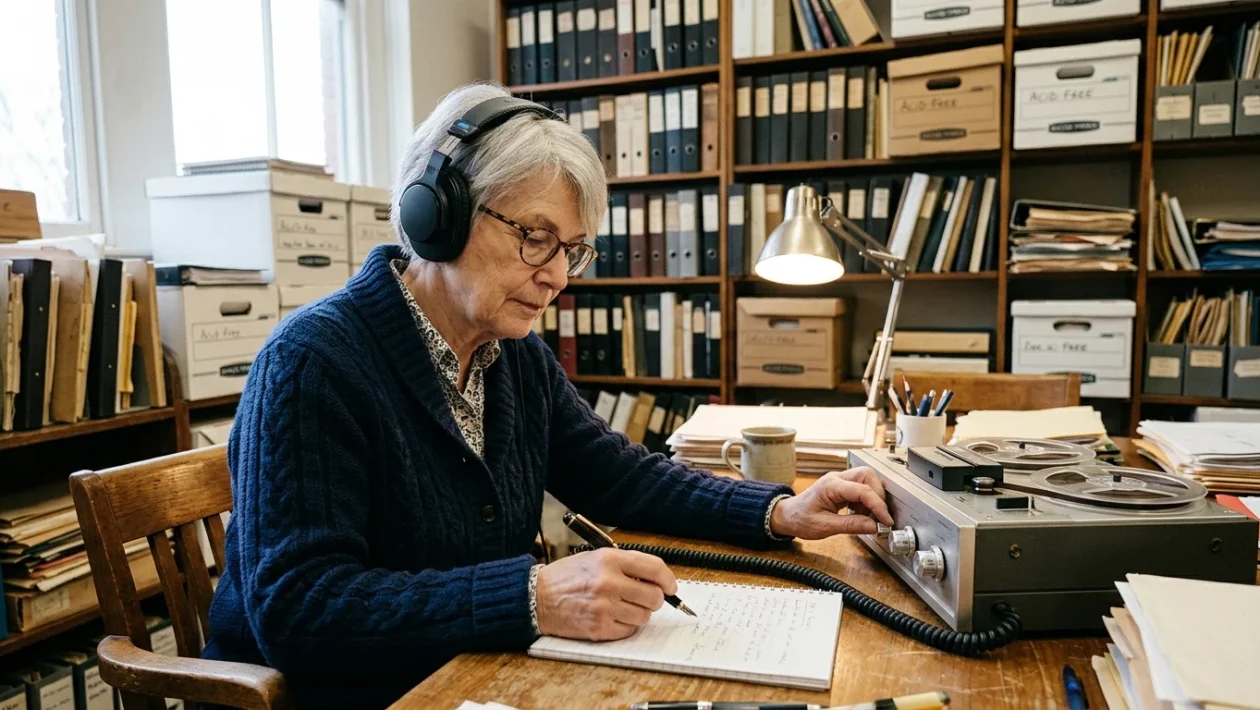
The muriel gold oral history recordings montreal researchers and cultural historians celebrate provide a direct audio bridge to the mid-twentieth-century performing arts scene. By capturing unvarnished personal interviews, production recollections, and community reflections, this archival body of work documents the artistic leaders, educators, and institutions that shaped the city into a bilingual cultural hub.
For decades, Montreal stage history was documented almost exclusively through printed playbills, newspaper reviews, and administrative minutes. What those paper files frequently missed was the human cadence behind the scenes: the backstage crises, creative breakthroughs, and community solidarity that sustained English-language and Jewish theatre traditions in Quebec. Listening to these spoken accounts changes how researchers understand the working reality of Canada’s mid-century theatrical boom.
Why Spoken Testimonies Matter for Montreal Cultural Heritage
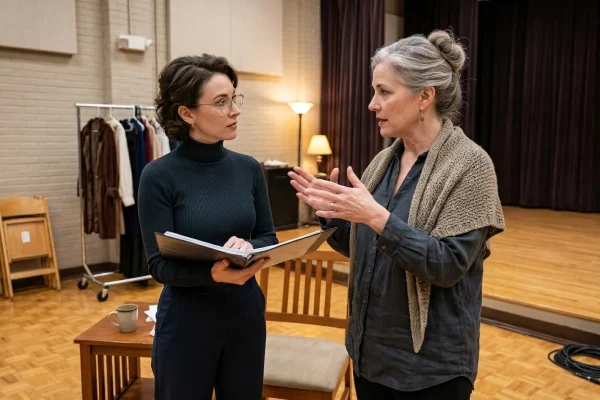
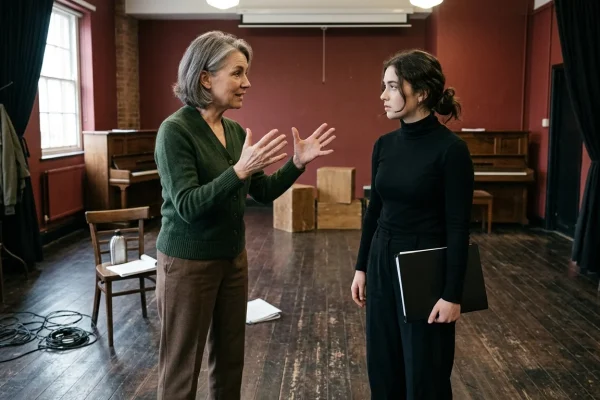
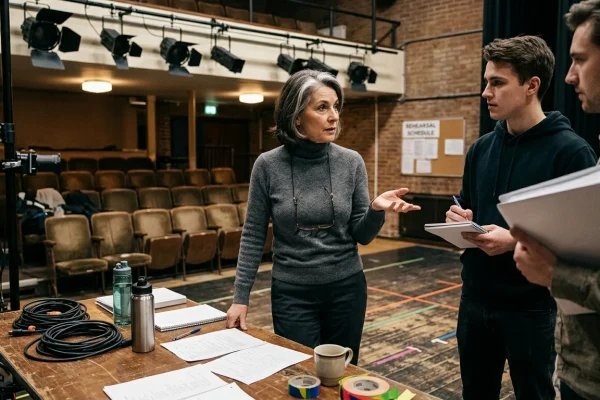
Dr. Muriel Gold—an accomplished theatre director, educator, author, and Member of the Order of Canada—dedicated significant portions of her career to documenting creative lives. Her extensive work as the artistic director of the Montreal Children’s Theatre and her research into pioneer directors created an invaluable repository of memory. Through structured oral interviews, she documented not just official dates and budgets, but the artistic philosophy driving local stages.
Oral history functions differently from formal institutional reporting because it embraces lived experience, vocal nuance, and spontaneous memory. When an artist recounts navigating language shifts, funding shortages, or rehearsal hall compromises, the historical record gains indispensable depth.
Preserving the spoken voice protects emotional nuance and spontaneous reflection that traditional paper records systematically overlook.
These tape collections document pivotal creative movements, including the growth of children’s creative drama, community-driven bilingual initiatives, and the resilience of Yiddish theatre companies such as the Dora Wasserman Yiddish Theatre at the Saidye Bronfman Centre (now the Segal Centre for Performing Arts).
The Voices Behind the Rehearsal Doors
The interview sessions capture candid perspectives from a cross-section of cultural workers who rarely wrote memoirs of their own. Within these archival audio tracks, listeners hear from:
- Pioneering Directors and Educators: Detailed reflections on introducing creative dramatics into school curricula and grassroots community centres across Greater Montreal.
- Scenic and Costume Designers: Practical discussions on working with limited production budgets while establishing professional design standards in independent performance spaces.
- Ensemble Actors: Memories of multi-generational casts, dialect preservation, and touring productions to regional Quebec audiences.
- Community Organizers: The administrative and volunteer efforts required to keep independent arts spaces solvent through periods of municipal transition.
Common Myths About Canadian Performing Arts Archives
A persistent myth suggests that early Canadian English-language theatre was merely an imitation of Broadway or London West End traditions, lacking distinct local identity. Historical audio accounts directly dismantle this assumption by revealing a vibrant, highly localized network of playwrights, directors, and educators who purposefully addressed Canadian themes and neighborhood realities.
Another widespread misconception is that oral histories serve only as supplementary, anecdotal colour rather than rigorous primary sources. In modern historiography, audio archives provide critical cross-referencing material that often corrects errors found in published chronicles, from forgotten staging credits to genuine artistic motivations.
| Traditional Archival Documents | Oral History Sound Recordings |
|---|---|
| Static legal and administrative records | Spoken reflections on creative process and intent |
| Curated press releases and published reviews | Candid observations on backstage challenges and dynamics |
| Often limited to leadership signatures | Captures voices across diverse roles in production ensembles |
| Silent, context-dependent text | Preserves vocal tone, dialect, emotion, and cadence |
How Researchers and the Public Can Access Spoken Heritage
Accessing specialized oral history holdings in Montreal requires understanding how regional institutions categorize performing arts sound collections. Because historic magnetic tapes require stabilization and digitization to prevent degradation, institutions handle these records with specialized conservation care.
- Identify the Holding Repository: Check university archives, including special collections at institutions like Concordia University or McGill University, alongside specialized cultural centres such as the Jewish Public Library Archives.
- Consult the Finding Aids: Review collection guides to locate specific interviewees, production seasons, and subject headings related to Dr. Gold’s projects and the Montreal Children’s Theatre.
- Verify Audio Format Availability: Confirm whether the requested tracks have been transferred to digital listening copies or if they require supervised listening equipment on-site.
- Request Permission and Access: Schedule an appointment with archival staff, noting any copyright or donor stipulations attached to historical field recordings.
Careful digitization ensures magnetic audio tape collections remain accessible to new generations of dramatists, educators, and community historians.
By engaging with these recordings, contemporary stage practitioners gain insight into the structural foundations laid by their predecessors. The challenges of building audiences, securing rehearsal space, and fostering artistic expression across cultural lines remain remarkably resonant for arts organizations today.
✨ Have you ever explored oral history archives or participated in local arts preservation?
📱 Share your thoughts with our cultural community in the comments below!
💚 Support local memory initiatives by visiting your regional archive or neighbourhood historical society this season.
👇 Leave a comment below with the Montreal cultural stories you believe deserve greater archival attention!