
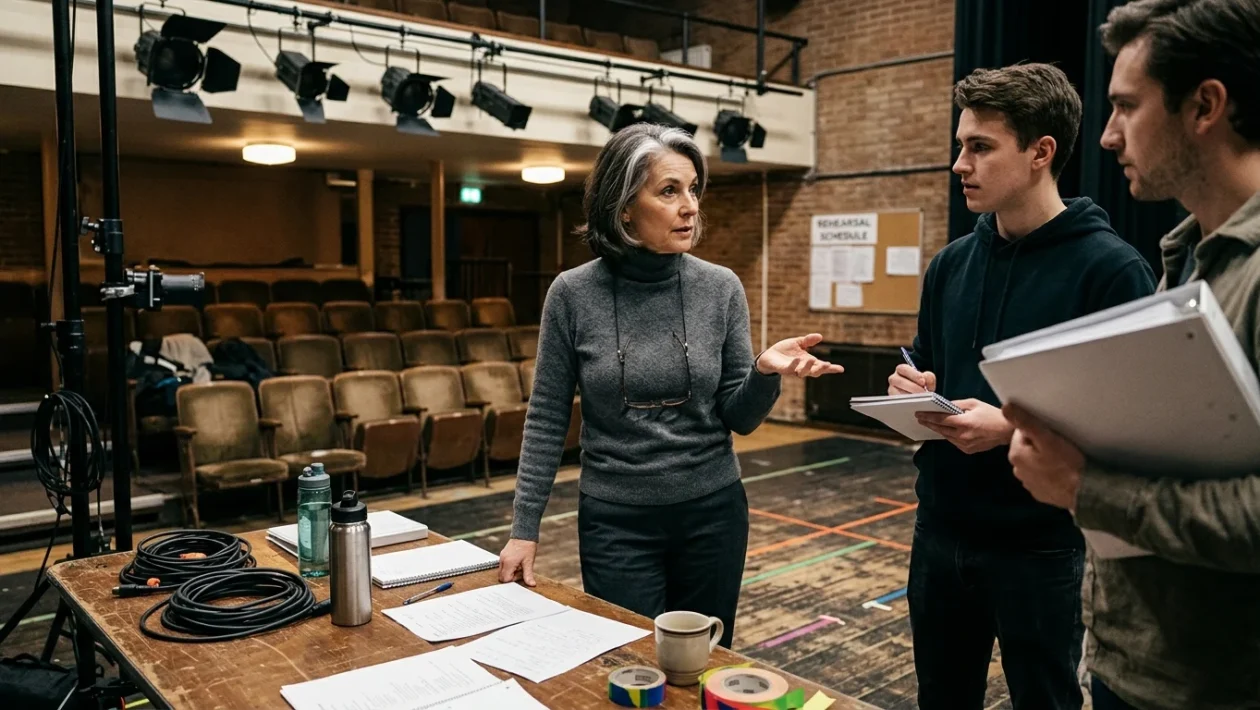
Montreal theatre gained lasting artistic vitality under the visionary leadership of Muriel Gold at the Saidye Bronfman Centre, where ambitious dramatic programming bridged community traditions with professional Canadian stagecraft. Her tenure established the venue as an essential hub for bilingual, multicultural, and classical productions, permanently redefining regional theatre standards across Quebec.
For audiences seeking high-calibre drama in Montreal’s vibrant midtown district, this era represented a profound shift from modest cultural programming to nationally recognized mainstage work. The curated playbills consistently balanced international dramatic masterworks with urgent homegrown voices.
Yet reaching that level of artistic recognition required dismantling long-standing industry assumptions about what a community-rooted cultural facility could achieve.
What Defined the Repertoire of Plays Produced by Muriel Gold?
The productions mounted during this defining period spanned an expansive range of genres, from classical drama and vibrant musicals to thought-provoking contemporary works and translated European repertoire. Muriel Gold deliberately programmed seasons that challenged conventional boundaries while honouring the historic cultural mandate of the institution.
By blending world classics with pioneering Canadian scripts, the stage became an engine for artistic innovation. Audiences routinely encountered bold reinterpretations of traditional works alongside modern texts addressing universal struggles of identity, social justice, and family cohesion.
An enduring theatre season relies not merely on familiar crowd-pleasers, but on balancing risk with resonance to challenge audience perspectives.
This deliberate curation ensured that the theatre spoke directly to both local patrons and the broader Montreal performing arts community.
Balancing Classical Texts and Contemporary Drama
Staging classical plays within a contemporary urban cultural centre demanded creative ingenuity. The venue regularly presented reimagined stagings of celebrated global playwriting, emphasizing timeless human dilemmas through contemporary stage design and innovative directorial approaches.
At the same time, new writing received vital developmental resources, providing playwrights with a professional workshop environment to refine their dialogue before major opening nights. What specific institutional pillars drove this creative expansion?
- Diverse Repertoire: Presenting a sophisticated mix of international classics, modern European translations, and contemporary Canadian work.
- Bilingual Engagement: Bridging Montreal’s linguistic divides by collaborating with both Anglophone and Francophone artists.
- Artistic Incubation: Providing emerging Canadian directors, actors, and designers with mainstage professional experience.
- Community Resonance: Mounting works exploring cultural identity, heritage, and modern urban living.
The Myth of the Community Venue vs. Professional Regional Powerhouse
A widespread misconception often suggests that community-affiliated cultural centres only stage amateur light entertainment or standard community revivals. In reality, the professional mandate established under this artistic directorship operated on rigorous professional equity standards, competing directly with major regional stages across Canada.
The productions featured top-tier Canadian actors, award-winning lighting and set designers, and acclaimed guest directors, earning widespread critical acclaim and major theatrical award nominations. The artistic ambition transformed a neighbourhood facility into a cornerstone of professional Canadian performing arts.
| Artistic Pillar | Production Impact |
|---|---|
| Repertoire Depth | Integrated classic world drama with original contemporary Canadian writing. |
| Professional Standards | Employed premier actors, visionary directors, and skilled technical crews. |
| Cross-Cultural Dialogue | Connected Anglophone and Francophone theatrical traditions under one roof. |
| Audience Development | Fostered multigenerational patronage through educational outreach and provocative programming. |
This strategic approach left a permanent imprint on Montreal’s performing arts ecosystem, creating a direct lineage to modern cultural venues like the Segal Centre for Performing Arts.
How Did These Productions Influence Canadian Theatre History?
The ripple effects of staging ambitious theatrical seasons extended far beyond Montreal’s city limits. By consistently commissioning, developing, and showcasing challenging material, Muriel Gold established an enduring benchmark for regional artistic directors across Canada.
Her work proved that regional institutions could successfully engage their local community while simultaneously producing complex, award-winning drama with national significance.
Today, that rich legacy continues to inspire modern producers navigating the evolving landscape of Canadian cultural storytelling.
✨ Canadian theatrical heritage is shaped by bold leaders who champion diverse storytelling.
📱 Share this article with fellow performing arts lovers and theatre historians.
👇 Leave a comment below with your favourite memories of classic Montreal stage productions.