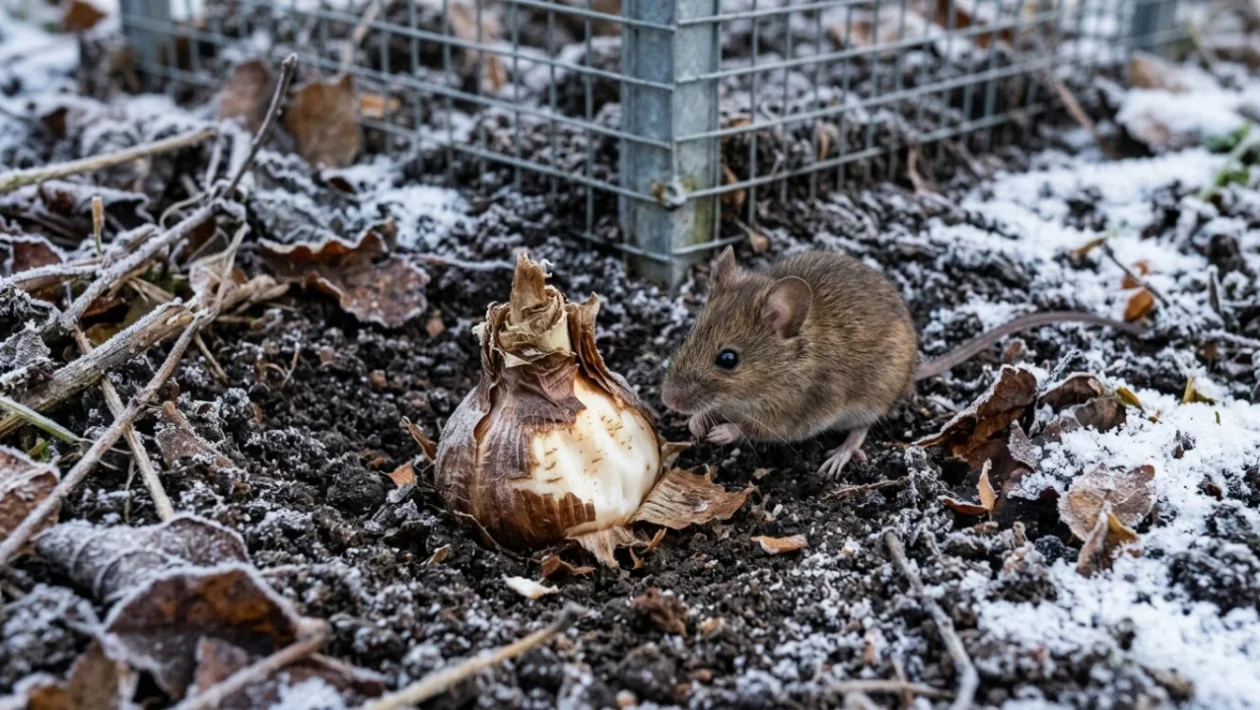
Yes, mice do eat crocus bulbs during the winter months, frequently devouring freshly planted corms under the cover of snow and frozen soil when alternate green food sources disappear. These nutrient-dense underground stores provide high-energy starch that field mice and related rodents actively seek out to survive sustained sub-zero temperatures. Understanding how these foragers access your beds is the key to preventing bare patches come spring thaw.
For Canadian gardeners, burying spring bulbs in autumn feels like an investment in early colour, only to result in empty soil when April arrives. The snowpack provides perfect insulation not just for the ground, but for active rodents tunnelling beneath the surface completely out of sight. Without proper physical barriers, a garden bed can quickly turn into an underground feeding ground long before the first shoot breaks through.
Why Do Rodents Target Crocuses During Freezing Months?
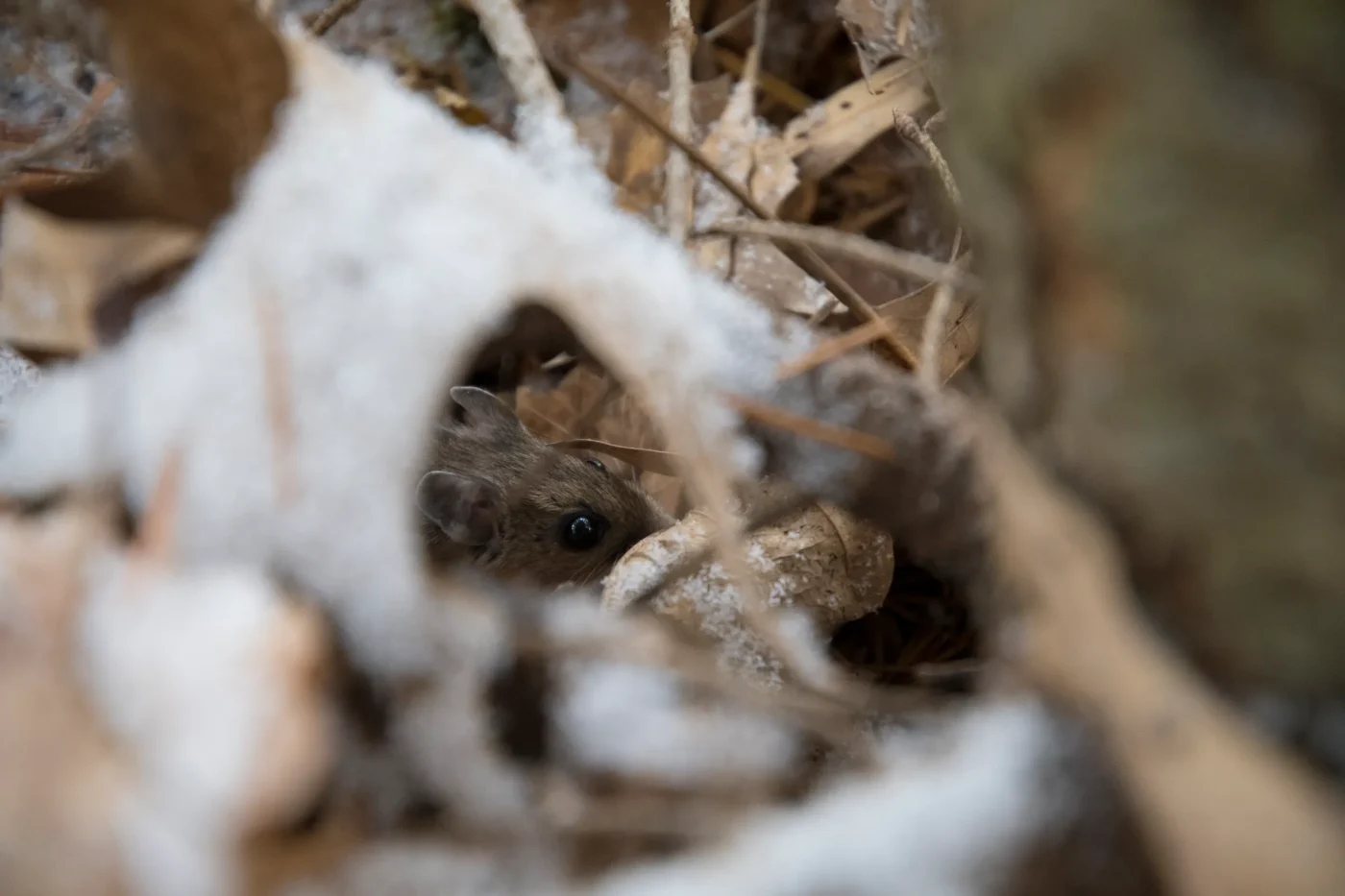
During the depth of a Canadian winter, typical rodent food supplies like fallen seeds, tender roots, and insects dry up. A crocus corm is essentially a dense reservoir of stored carbohydrates, water, and minerals designed to fuel rapid early spring flowering. To a field mouse or house mouse seeking survival sustenance beneath the leaf mulch and snow layer, these shallowly planted bulbs represent an accessible feast.
Unlike daffodils or alliums, which contain natural chemical deterrents such as toxic alkaloids, crocus corms lack significant natural poisons. They taste palatable and provide easy digestion, making them a prime target over bitter alternatives in the very same garden bed.
A very common mistake is assuming winter freeze shuts down rodent activity beneath the topsoil, when deep snow actually insulates foraging tunnels.
The Difference Between Mice, Voles, and Squirrels
Gardeners often blame squirrels for stolen plantings, but the culprit changes with the seasons. While grey squirrels dig down from the surface during late autumn, winter subterranean losses are almost exclusively caused by mice and voles moving through subnivean tunnels under the snow pack. Identifying the exact damage helps you tailor your protection strategy before freezing conditions set in completely.
| Pest Type | Winter Feeding Behaviour |
|---|---|
| Field Mice & Deer Mice | Tunnel beneath snow; dig shallow pockets to excavate and consume high-starch corms entirely. |
| Meadow Voles | Use established surface runways under snow; gnaw indiscriminately on roots, bark, and buried bulbs. |
Proven Steps to Protect Spring Corms from Winter Hunger
Preventing underground theft requires proactive barriers installed at the time of planting rather than topical repellents, which wash away under autumn rains and heavy meltwater.
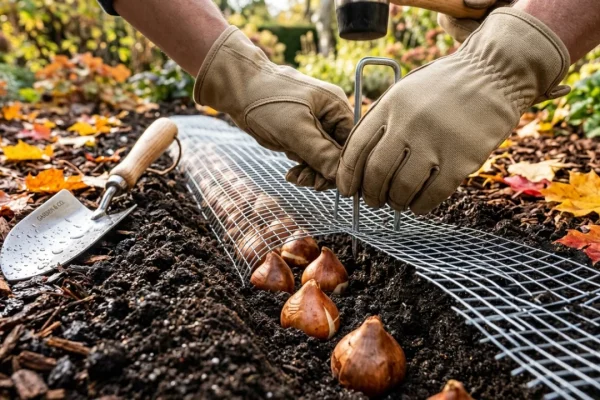
- Install Hardware Cloth Cages: Line planting trenches with quarter-inch galvanized steel mesh. Form a wire basket, place your crocus bulbs inside, and secure the top with another layer of mesh before backfilling with garden soil.
- Add Sharp Crushed Gravel: Mix crushed granite or sharp stone into the soil directly surrounding each corm. Rodents dislike digging through sharp aggregate that irritates sensitive paws and noses.
- Plant Less Palatable Companions: Surround sweet crocuses with bulbs naturally laced with unpalatable compounds, such as snowdrops (Galanthus) or miniature daffodils (Narcissus), which deter exploratory foraging.
- Firm the Soil Thoroughly: Avoid leaving loose, aerated soil above planting sites, which leaves an open invitation for easy burrowing. Tamp down the surface firmly and avoid heavy straw mulch until the ground freezes solid.
Separating Fact from Fiction in Bulb Care

A widespread belief among home growers suggests that dusting planting holes with cayenne pepper, mothballs, or scented soap flakes will permanently repel rodents through winter. In real garden conditions, volatile oils break down rapidly in damp autumn soils, and cold temperatures blunt scent profiles, rendering chemical and sensory deterrents ineffective under persistent snow cover.
Physical exclusion remains the only reliable safeguard against determined foragers when natural forage is completely locked beneath ice. Once solid wire mesh or coarse aggregate blocks physical access to the corm, mice quickly abandon the dig and move on to unmanaged ground cover.
💚 Protecting your spring display takes just a little extra effort before the ground hardens for the season.
✨ Taking time to shield delicate corms now ensures a vibrant wash of colour right as the snow recedes.
👇 Leave a comment below with your favourite rodent-proof planting tips or bulb combinations!
📱 Share your experience with us and let fellow Canadian gardeners know how your beds held up last spring.