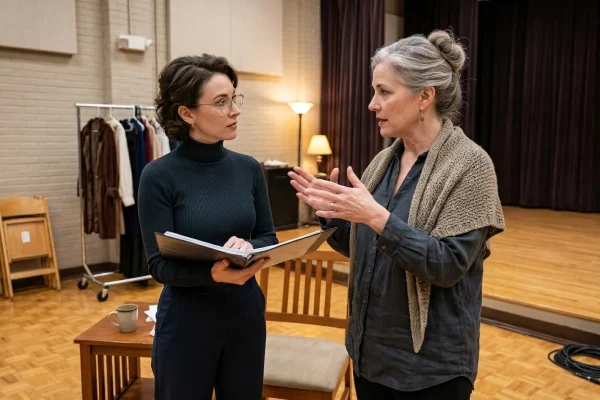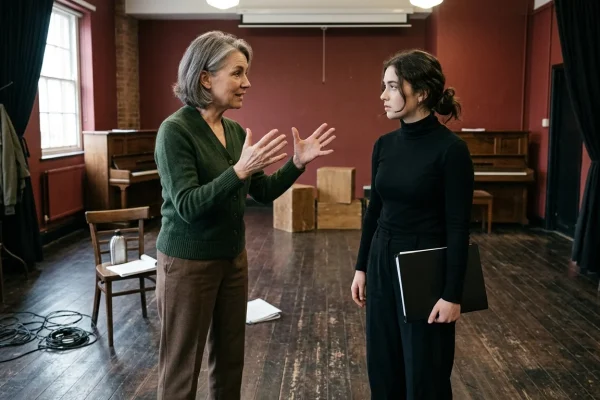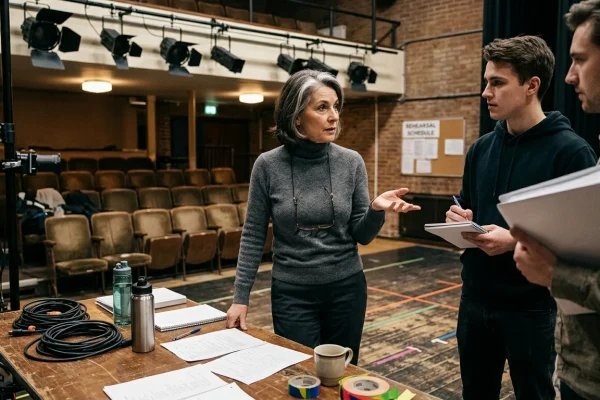
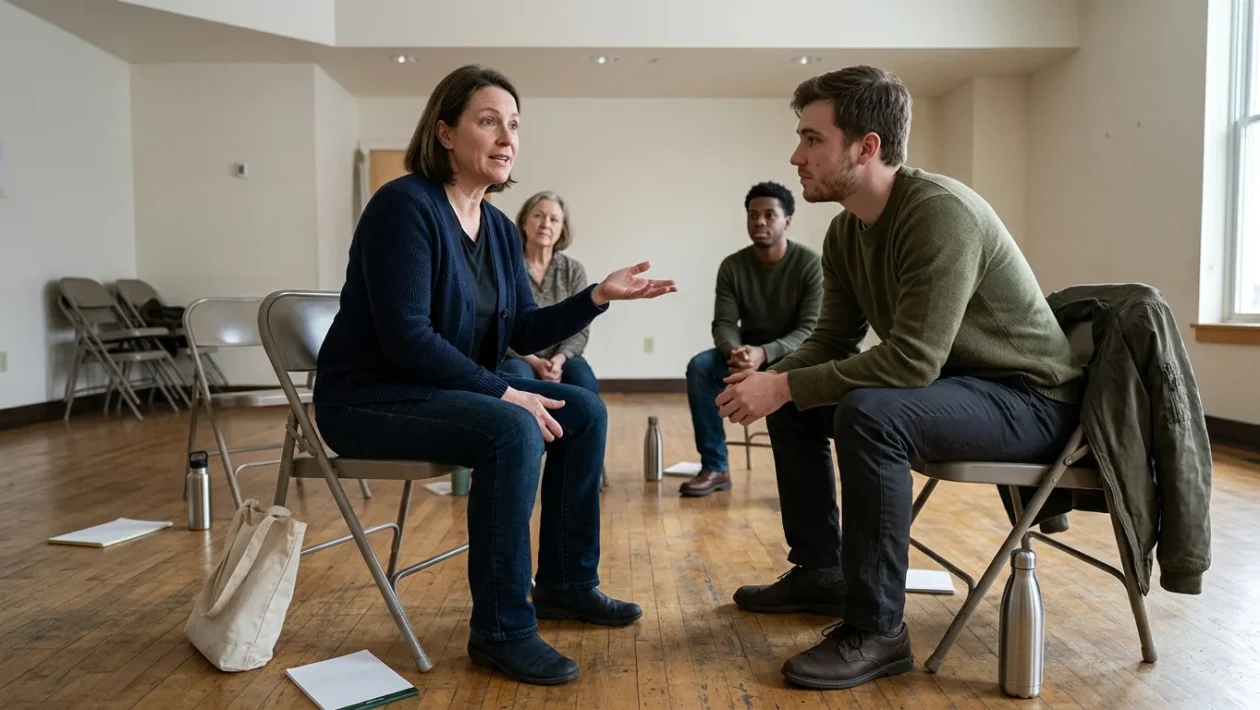
The core themes in Muriel Gold a form of living examine dramatic expression not merely as performance on stage, but as an active, vital framework for human empathy, personal growth, and community connection. Gold frames creative exploration as an ongoing human process where theatrical engagement bridges the gap between inner emotional realities and outward social action.
By viewing artistic engagement through this lens, the work transforms creative expression from an exclusive discipline into an accessible, lived craft. This perspective redefines how readers and theatre practitioners understand the relationship between private identity and public performance.
Theatrical Expression as an Everyday Reality
At the heart of the text lies the concept that creative improvisation is a constant facet of daily life. Individuals step into shifting roles across family routines, professional spaces, and social gatherings, adopting varied voices to meet changing environments.
Rather than treating dramatic technique as an artificial disguise, Gold demonstrates how dramatic participation reveals an authentic self. Entering an imagined narrative allows people to express unspoken emotions, process personal boundaries, and articulate difficult truths in a supportive environment.
Drama becomes an active discipline of empathy, transforming passive spectators into conscious participants in their own lives.
This dynamic challenges the traditional boundary separating art from life, showing that creative exercises offer meaningful benefits outside of formal stage settings.
Identity and the Power of Role-Play in Healing
Another major theme centres on how structured play supports emotional healing and personal development. Stepping outside routine perspectives gives individuals the distance needed to examine difficult personal patterns with fresh objectivity.
The Fictional Space as a Mirror for Truth
By inhabiting a fictional character or composite persona, participants gain a protective distance from real-world anxieties. This psychological buffer makes it safer to confront conflict, grief, and unresolved tension directly.
Through this technique, creative expression functions as an accessible therapeutic pathway. It turns creative dialogue into an actionable strategy for emotional growth and personal discovery.
Myth vs. Reality in Applied Dramatic Philosophy
A frequent misconception is that applied drama techniques require specialized stage training or natural acting talent. Many assume that creative exercises are relevant only to professional artists or seasoned performers.
The reality is quite different. The core philosophy treats creative expression as an innate human capacity rather than an exclusive technical skill. The primary objective is not stage-ready aesthetic polish, but personal honesty, mutual understanding, and collaborative communication.
Core Thematic Pillars at a Glance
| Thematic Focus | Significance in Practice |
|---|---|
| Everyday Performance | Treats daily human interactions as dynamic role-play, deepening self-awareness across social environments. |
| Fictional Distancing | Provides a protective narrative framework that allows people to safely explore real personal challenges. |
| Empathic Exchange | Builds mutual understanding by requiring participants to step directly into another person’s perspective. |
| Communal Dialogue | Transforms shared creative exercises into lasting bonds across diverse community groups. |
Cultivating Community Through Collective Narrative
Community building serves as another vital pillar across the work. Group improvisation and collaborative storytelling break down social barriers by asking people to listen carefully and build upon one another’s ideas in real time.
This collaborative process models active citizenship and thoughtful human connection. When individuals create meaning together, they build lasting community empathy and a stronger sense of mutual responsibility.
✨ Understanding how dramatic expression serves as an ongoing practice offers fresh tools for deeper personal growth and empathy.
💚 Share your thoughts in the comments below about how creative expression shapes your daily relationships.
📱 Pass this article along to a fellow arts enthusiast who appreciates the power of creative community building.
👇 Join the conversation and tell us which creative practices bring the most balance to your everyday life.