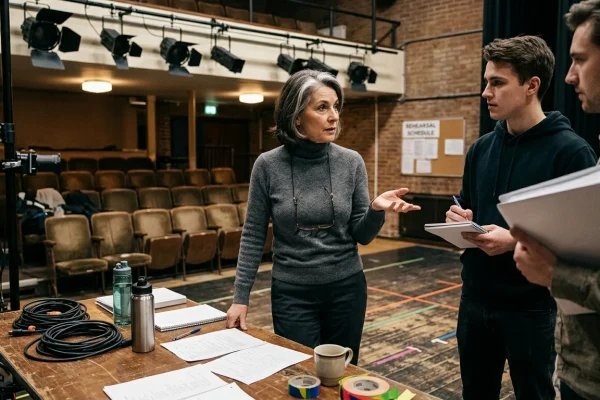
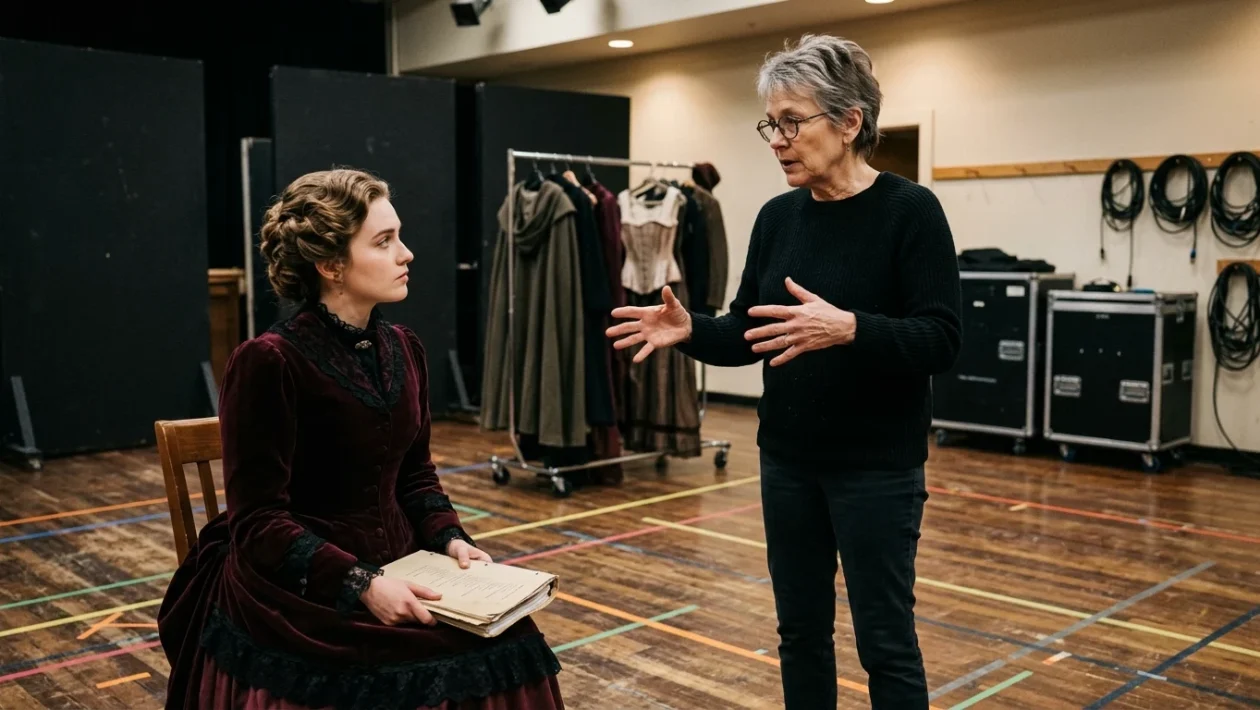
Director Muriel Gold transformed Canadian biographical theatre by staging Madame Sarah in Montreal, crafting an intimate look into the towering presence of Sarah Bernhardt and her historic connections to Quebec audiences. Through meticulous archival research, carefully calibrated period staging, and nuanced acting choices, the production captured both the grandeur and the intense personal vulnerabilities of the legendary French tragedienne.
The production stands out as a defining achievement in Montreal’s rich performing arts history, bridging local bilingual heritage with classic stage traditions. Understanding how this work came together reveals the distinctive artistic vision that characterized Gold’s leadership in the Canadian theatre community.
How Did Muriel Gold Shape the Staging of Madame Sarah?
Directing a theatrical biography about an international icon presents unique narrative hurdles. Muriel Gold approached the dramatization not as a static museum exhibit, but as a dynamic psychological portrait that examined Bernhardt’s artistic obsession, public scrutiny, and private defiance.
Gold brought years of institutional leadership to the rehearsal hall, having served as artistic director of the Saidye Bronfman Centre Theatre (now the Segal Centre for Performing Arts). Her directing style prioritized deep psychological immersion, pushing cast members to move past melodramatic caricature to uncover the authentic emotional drive behind late-nineteenth-century stage conventions.
Directing historical drama requires stripping away modern cynicism so the cast can fully inhabit the emotional stakes and theatrical mannerisms of an earlier era.
The creative design behind the Montreal staging maintained a deliberately focused atmosphere. Rather than cluttering the stage with heavy, literal period architecture, the creative team utilized suggestive scenic pieces, evocative lighting shifts, and rich costume textures to evoke Paris salons, dressing rooms, and North American touring venues.
Key Production Elements of Madame Sarah
Every technical component of the production worked in concert to ground the larger-than-life narrative within a relatable human scale.
- Textual Adaptation: The script balanced Bernhardt’s public grandiloquence with intimate backstage dialogues, highlighting her razor-sharp wit and vulnerabilities.
- Scenic Design: A minimalist yet atmospheric layout enabled swift transitions between private dressing suites and public performance arenas.
- Costume Authenticity: Wardrobe specialists drew directly from late-Victorian fashion archives to recreate the sweeping silhouettes essential to Bernhardt’s iconic physical presence.
- Vocal and Physical Discipline: Actors underwent rigorous coaching to replicate the declamatory power and precise vocal cadence characteristic of late-nineteenth-century classical drama.
This layered staging approach allowed the production to resonate equally with seasoned Montreal theatregoers and students discovering the era’s dramatic heritage for the first time.
Connecting Bernhardt to Quebec Cultural History
A foundational strength of Gold’s production work was her deep appreciation for Montreal’s unique place in theatre history. Bernhardt’s actual historical visits to Montreal were marked by immense public excitement alongside fierce social and religious controversy, reflecting the complex cultural currents of early twentieth-century Quebec.
By highlighting these authentic historical tensions, the staging offered Montreal audiences an engaging mirror of their own municipal and social evolution.
Core Attributes of the Montreal Production
To appreciate how this theatrical project was structured, the following breakdown outlines the primary aesthetic and narrative priorities of the staging.
| Production Element | Artistic Focus |
|---|---|
| Directorial Approach | Character-driven psychological realism balanced with classical theatrical stylization. |
| Dramaturgical Context | Highlighting Sarah Bernhardt’s complex reception and public tours across Quebec. |
| Visual Framework | Selective period realism utilizing evocative lighting and authentic textile textures. |
| Performance Tone | Intimate backstage exploration contrasting the grandeur of late-Victorian acting. |
Myth vs Reality in Staging Historical Divas
A persistent assumption among theatregoers is that biographical dramas about legendary stage figures must rely on exaggerated, over-the-top melodrama to convey historical acting styles. In reality, authentic period acting was anchored in formidable technical control, breath support, and intentional gesture rather than uncontrolled theatrical excess.
Gold’s directorial choices dismantled this myth by showing that Bernhardt’s magnetism came from calculated artistic restraint and fierce personal discipline. By stripping away camp exaggerations, the staging revealed the immense grit required for a female artist to manage international tours, personal finances, and fierce press scrutiny on her own terms.
The true challenge of portraying a theatrical icon is ensuring the human being behind the public legend remains visible in every scene.
This disciplined approach ensured that the production earned critical respect as a serious study in theatrical heritage rather than a mere costume pageant.
The Enduring Artistic Legacy of Muriel Gold
Beyond individual production runs, Muriel Gold’s contributions as a director, educator, and Member of the Order of Canada left a lasting footprint on Montreal’s artistic landscape. Her work consistently championed Canadian theatre professionals while recovering crucial stories of women who shaped global cultural history.
Her staging of Madame Sarah remains a prime example of how Canadian performing arts institutions can interrogate international dramatic history through a distinctly local, culturally informed lens.
✨ Montreal theatre history remains rich with pioneering directors and unforgettable stagings.
💚 Preserving our stage heritage helps keep community cultural memories vibrant across generations.
📱 Did you witness Muriel Gold’s productions or study her contributions to Canadian stage craft?
👇 Share your thoughts and memories in the comments below!