Dr. Muriel Gold’s Muriel Gold A Gift of Memories stands as a luminous blueprint for transforming personal family lore into an enduring narrative legacy. Authored by the former artistic director of Montreal’s Saidye Bronfman Centre Children’s Theatre and a Member of the Order of Canada, the work demonstrates how active recollection, drama techniques, and archival preservation keep personal history vibrant across generations.
Rather than treating the past as a collection of dusty dates, Gold reframes personal history as an intimate dramatic script filled with emotional resonance and cultural identity. Her approach shows readers how ordinary domestic recollections can illuminate community history and cross-generational bonds.
The core message resonates across Canadian households seeking meaningful ways to document elder stories before they slip away. Gold bridges the gap between artistic expression and familial documentation, offering practical inspiration for anyone eager to record their lineage.
What Lies at the Heart of A Gift of Memories?
At its core, Muriel Gold A Gift of Memories operates both as an intimate personal reflection and an instructional road map. Gold draws upon her decades of expertise in drama education to prompt readers to revisit specific sensory triggers—such as the sound of a parent’s voice, the smell of a childhood kitchen, or the tension of historic family migrations.
Her narrative emphasizes that every family possesses dramatic tension and emotional richness worthy of preservation. By weaving her own Montreal upbringing, artistic milestones, and family ancestry into the text, Gold illustrates how individual lives reflect broader shifts in Canadian social fabric.
Preserving oral history requires looking past dry timelines to capture the unscripted pauses, emotional truths, and sensory details that make a person real to future generations.
This dramatic framing helps readers bypass the stiff formality that often derails amateur family history projects. Instead of compiling a sterile family tree, Gold encourages an approach centered on living voice and emotional authenticity.
How Drama and Oral History Intersect
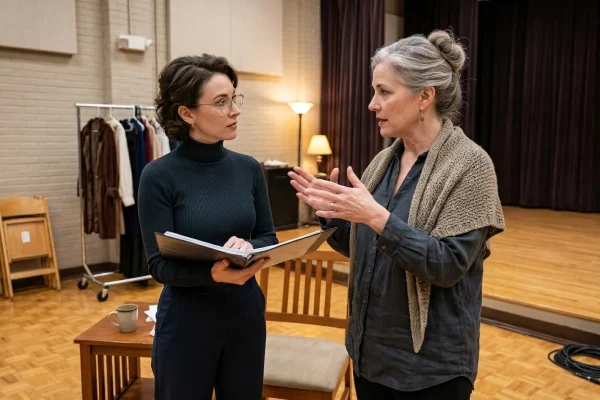
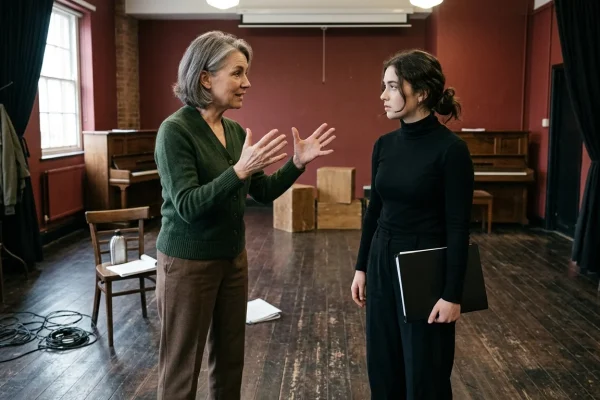
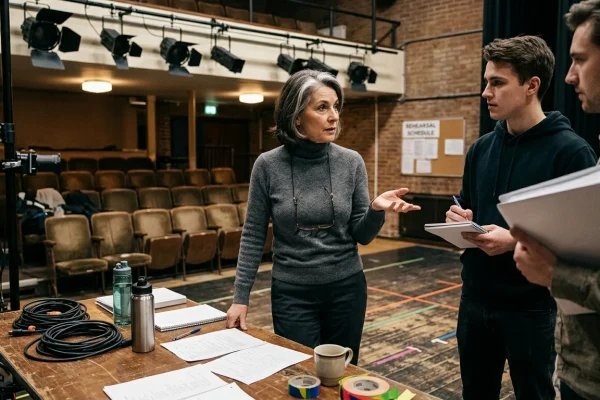
Dr. Gold’s background as a pioneer in Canadian youth theatre directly informs her method for unlocking the past. She views memory retrieval through the lens of theatrical improvisation, role exploration, and expressive storytelling.
Techniques for Capturing Living History
Gold outlines methods to turn casual recollections into structured, engaging stories that survive the passage of time:
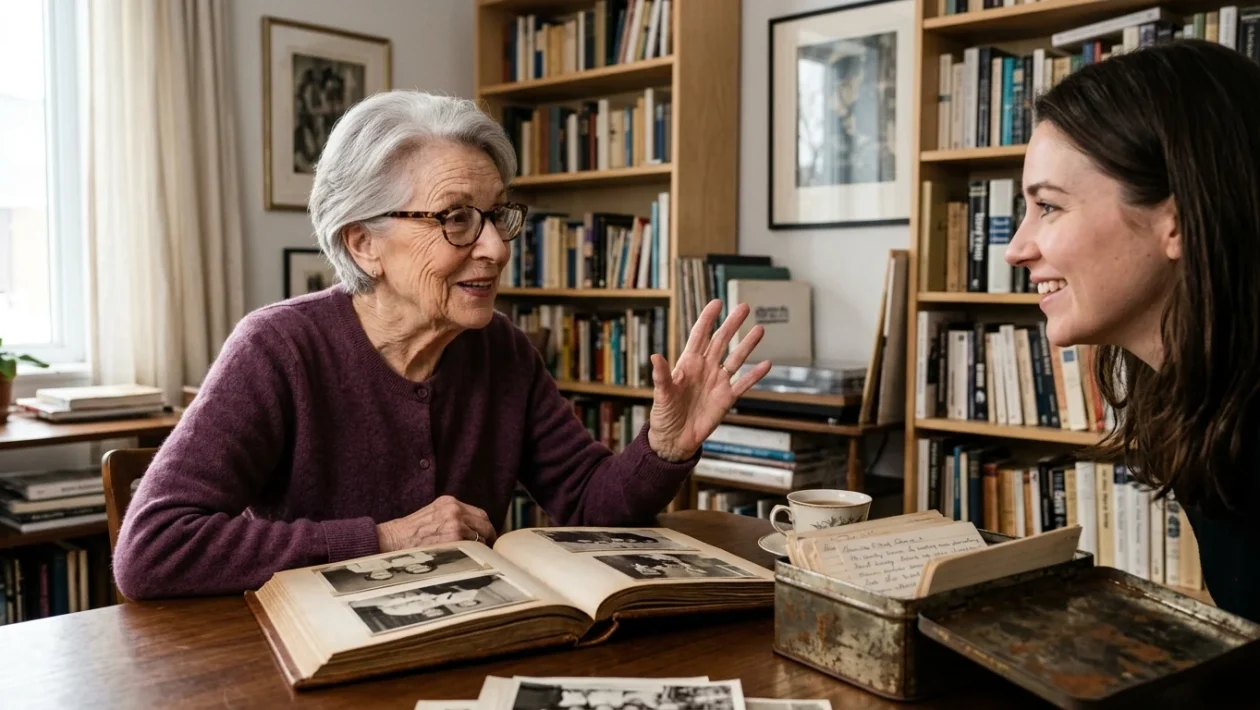
- Sensory Priming: Using heirlooms, photographs, and traditional recipes to jog dormant childhood memories.
- Character-Driven Interviews: Framing conversations around the passions, dilemmas, and quirks of ancestors rather than mere vital statistics.
- Scene Setting: Reconstructing pivotal moments with dialogue, environmental details, and authentic cultural context.
- Reflective Journaling: Documenting the teller’s own inner responses to the stories being uncovered.
By treating interviewees as key characters in an ongoing saga, families can preserve the cadence and vitality of their storytellers. This practice transforms an otherwise intimidating archival task into an engaging bonding activity.
Myth Versus Reality: Who Is Memoir Writing Really For?
A widespread misconception suggests that writing a memoir or preserving oral histories belongs exclusively to public figures, politicians, or professional authors. Many assume that ordinary daily lives lack the dramatic weight necessary to warrant documentation.
The reality established in Gold’s methodology directly disproves this assumption. Everyday routines, quiet resilience through hardship, and communal rituals provide the foundational building blocks of authentic cultural history. The domestic struggles and quiet triumphs chronicled in grassroots family memoirs offer historians and future descendants irreplaceable insight into genuine human experiences.
| Core Memoir Dimension | Gold’s Theatrical Approach |
|---|---|
| Historical Scope | Anchors personal domestic anecdotes within broader communal and cultural shifts. |
| Interview Methodology | Uses creative drama prompts and active listening instead of rigid questionnaires. |
| Narrative Voice | Prioritizes authentic conversational tone over academic or bureaucratic jargon. |
| Intergenerational Value | Builds empathy between youths and elders through shared collaborative storytelling. |
Gold’s work proves that preserving family lore is an act of cultural stewardship. When households take the time to catalogue their memories, they safeguard unique micro-histories that institutional archives often overlook.
The ultimate power of Muriel Gold A Gift of Memories lies in its accessibility, proving that anyone equipped with curiosity, empathy, and a pen can build a lasting testament to their roots.
✨ Preserving your roots starts with a single honest conversation around the kitchen table.
📱 Share your experience with us on how your family records its most meaningful stories across generations.
👇 Leave a comment below with the childhood memory or heirloom that matters most to you.