Muriel Gold Montreal theatre leadership redefined how community-rooted performing arts operated in Quebec by turning local stage productions into nationally acclaimed cultural landmarks. As the long-serving artistic director of the Saidye Bronfman Centre Theatre from 1972 to 1989, Gold transformed an ambitious community stage into a vibrant powerhouse of Jewish heritage, modern drama, and bilingual artistic collaboration. Her tenure proved that cultural identity and rigorous professional standards could thrive under the exact same spotlight.
Before her arrival, community performance spaces in Montreal often operated on shoestring ambitions, balancing amateur enthusiasm with modest neighbourhood turnout. Gold challenged that baseline immediately by booking challenging international repertoire, staging groundbreaking Yiddish-translated classics, and welcoming diverse audiences from across Canada. Her structural playbook established a standard that still influences modern cultural administrators across the country.
Building a Professional Powerhouse from Grassroots Ambition
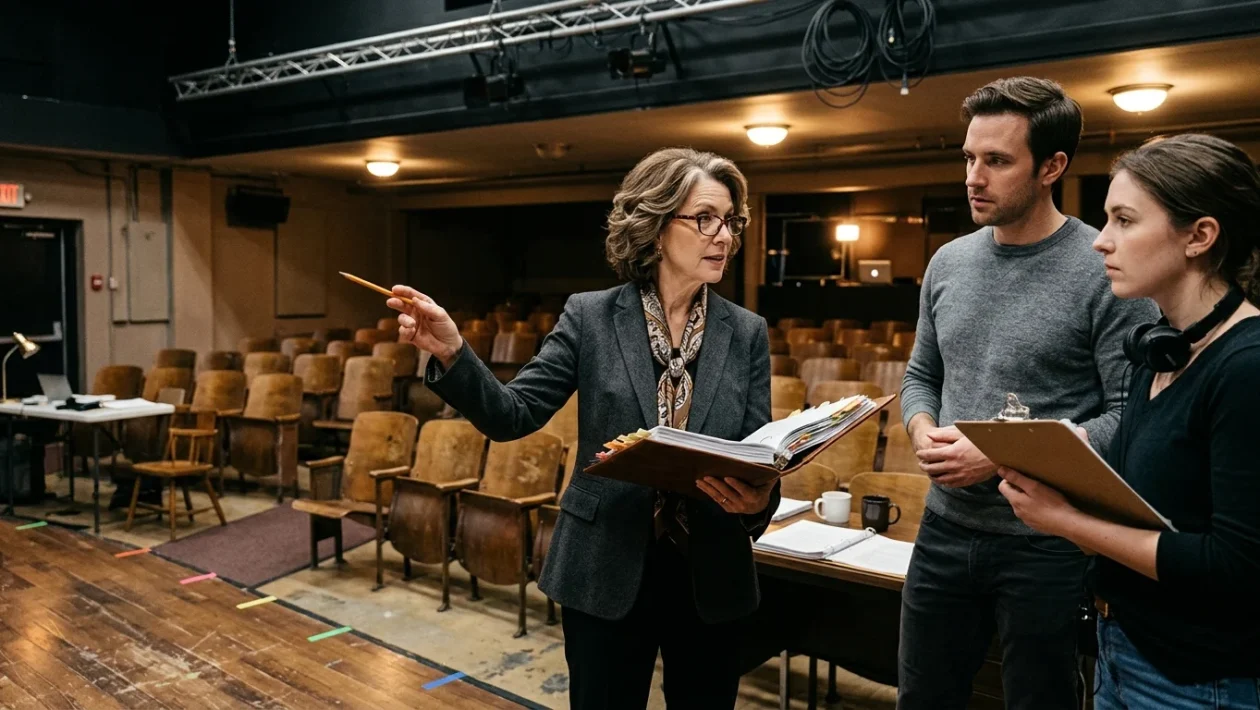
When Gold assumed leadership at the Saidye Bronfman Centre, Montreal was navigating profound social, political, and linguistic shifts. Rather than retreating into insular programming, she deliberately broadened the theatrical scope to reflect both particular Jewish traditions and universal human dilemmas. She insisted on hiring top-tier Canadian actors, directors, and designers, raising production values to rival the premier regional houses in North America.
That deliberate push elevated the profile of Montreal English-language theatre during a period when minority-language institutions faced complex operational pressures. Gold understood that the vitality of community theatre relied on technical excellence and fearless creative choices rather than safe, repetitive play selections.
Community theatre thrives only when it refuses to treat local audiences as passive or unsophisticated, demanding the same artistic bravery found on world stages.
Her approach challenged a widespread myth: that community-based cultural spaces must remain amateur hobby groups to stay authentic. Gold demonstrated that community roots actually supply the emotional fuel required for world-class, critically lauded performance.
Bridging Heritage with Contemporary Innovation
Under Gold’s guidance, the stage became a vital laboratory where classic Yiddish drama met contemporary social themes. She curated seasons that addressed historical memory, generational reconciliation, and human rights, drawing patronage from diverse linguistic and cultural backgrounds across Quebec. This balance ensured the institution served both as a sanctuary for collective memory and an active contributor to the broader Canadian arts ecosystem.
| Leadership Focus | Artistic and Community Impact |
|---|---|
| Artistic Professionalization | Engaged seasoned actors and designers, raising regional production standards. |
| Heritage Preservation | Revitalized classic Jewish and Yiddish repertoire for contemporary audiences. |
| Cross-Cultural Outreach | Attracted broad English and French-speaking patrons across Greater Montreal. |
| Educational Mentorship | Created training pathways for upcoming Canadian actors, directors, and crew. |
Core Tenets of Groundbreaking Arts Administration
Arts organizations studying Gold’s lasting influence consistently point to a specific administrative framework that sustained her seventeen-year directorship:
- Uncompromising Production Standards: Prioritizing technical craft, professional stagecraft, and top-tier talent regardless of community budget constraints.
- Cultural Integrity: Respecting specific historical narratives while ensuring every script spoke directly to universal human questions.
- Community Integration: Fostering relationships with local schools, arts councils, and philanthropists to establish durable financial backing.
- Audience Education: Providing contextual programming, discussions, and program notes that enriched the viewer’s theatrical literacy.
By the time she stepped down in 1989, the theatre had firmly established itself as an essential stop on the Canadian cultural circuit. Gold subsequently authored authoritative books on theatrical direction, drama therapy, and performance, documenting the methods that carried Montreal community arts onto the national stage. Her appointment to the Order of Canada cemented her standing as one of the country’s truly foundational cultural architects.
✨ Montreal theatre history continues to offer powerful masterclasses for today’s creative leaders.
📱 Share your experience with us if you ever attended a landmark production at the Saidye Bronfman Centre.
👇 Leave a comment below to join the discussion on the future of community-led arts across Canada.