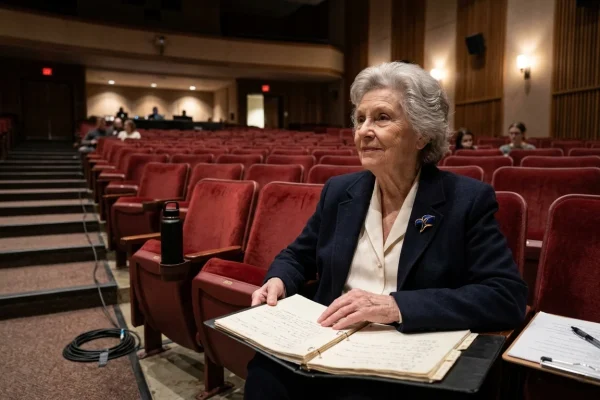
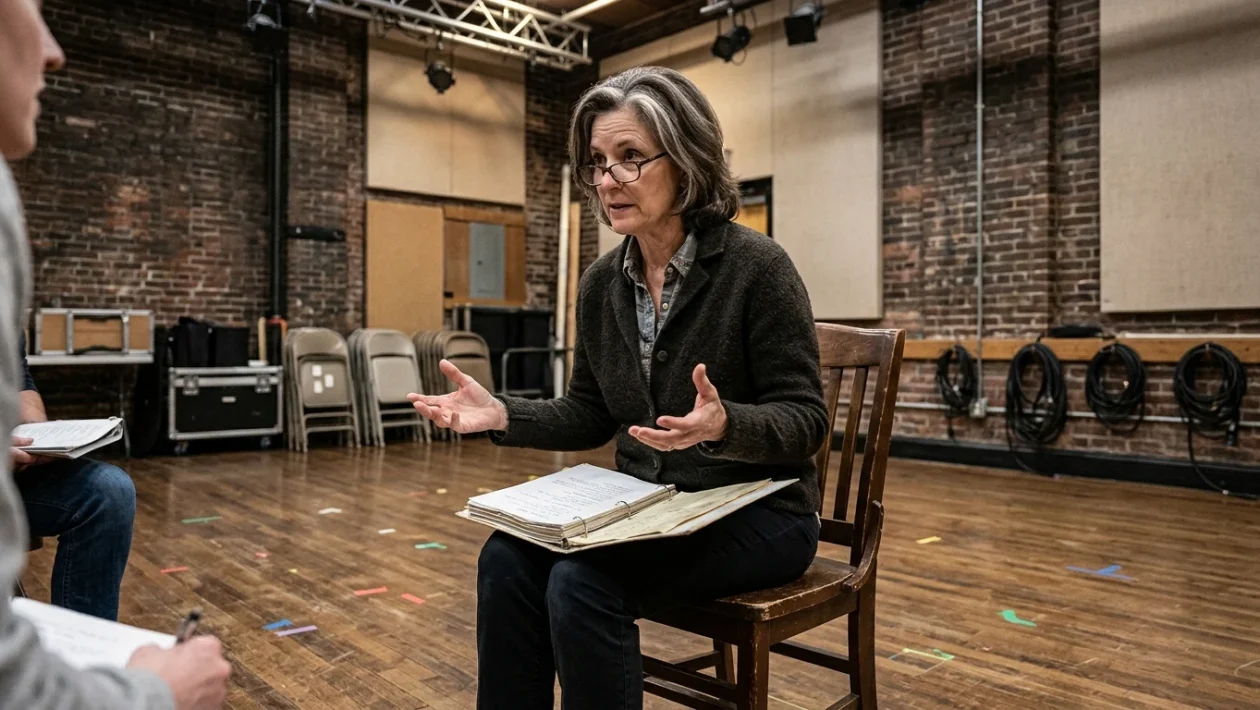
Pioneering Montreal stage director, educator, and author Dr. Muriel Gold fundamentally altered the trajectory of English-language theatre in Quebec through transformative artistic leadership and community-driven drama education. Her tenure guiding major regional productions established new benchmarks for professional performance standards across Canada while opening doors for women in theatrical management long before institutional gender parity became an industry standard.
A comprehensive Muriel Gold biography reveals a sustained dedication to merging rigorous artistic discipline with accessible public programming. Working across academia, regional playhouses, and community stages, Gold cultivated an environment where local playwrights, emerging actors, and diverse audiences engaged in meaningful cultural dialogue.
Her legacy remains woven into the bedrock of institutions like the Segal Centre for Performing Arts, previously known as the Saidye Bronfman Centre, where her innovative choices helped elevate Montreal as an essential hub for Canadian performing arts.
Grounding Montreal’s English Theatre Scene
During a transitional period in Quebec’s cultural landscape, English-language theatre required leaders capable of navigating linguistic nuances and shifting public funding frameworks. Gold met that challenge by staging bold, text-driven work that resonated with both local theatregoers and national critics.
Rather than relying solely on imported commercial successes from Broadway or London’s West End, she championed Canadian voices and classical adaptations that spoke directly to urban Montreal realities. Her rehearsal spaces were known for intellectual rigour, precise physical staging, and a deep respect for ensemble performance.
This deliberate balance between international repertoire and homegrown talent established a blueprint that contemporary regional directors continue to follow across Canada.
Leadership at the Saidye Bronfman Centre
Gold’s tenure as artistic director of the Saidye Bronfman Centre Theatre throughout the 1970s marked a golden era for the historic venue. Under her strategic stewardship, subscription numbers climbed and the theatre gained national recognition for its ambitious repertoire.
She programmed works that challenged safe conventions, pairing challenging dramas with accessible family programming to secure long-term audience retention. Her vision proved that community-rooted institutions could produce work of unapologetic professional excellence without alienating regional audiences.
Beyond box-office returns, she focused heavily on actor development, establishing professional working conditions that attracted seasoned talent alongside recent drama school graduates.
“Directing is fundamentally an exercise in collective empathy, demanding that every creative choice honours both the integrity of the text and the lived perspective of the audience.”
Educational Impact and Drama Pedagogy
Gold recognized early in her career that a sustainable theatrical community depends directly on robust educational foundations. Holding an advanced academic pedigree, including a doctorate in theatre, she brought structured pedagogical frameworks directly into rehearsal halls and university lecture rooms.
Through her work within university faculties, including McGill University, Gold trained generations of teachers to utilize creative drama as an essential vehicle for cognitive and emotional development. Her research demonstrated how theatrical improvisation could enhance self-expression and empathy in children and adolescents.
She formalized these methodologies in influential academic books and practical teaching manuals, establishing exercises that remain relevant in contemporary drama classrooms throughout North America.
National Honours and Literary Contributions
In recognition of her extraordinary contributions to the performing arts and arts education, Gold was appointed a Member of the Order of Canada. The national honour highlighted not only her administrative successes, but also her lifelong advocacy for cultural literacy and community inclusion.
As an author, she documented the complex human histories behind Quebec’s theatrical evolution, penning works that explored the lives of foundational artistic figures and the historical memory of Montreal’s Jewish community. These literary contributions ensure that the historical context of Canada’s mid-century theatrical boom remains accessible to contemporary scholars.
Her career presents several enduring lessons for theatre practitioners, educators, and cultural administrators navigating today’s performance landscape:
- Champion community integration: Cultural venues maintain viability when their programming mirrors and challenges the demographic realities of their surrounding neighbourhoods.
- Prioritize educational outreach: Theatrical institutions thrive over decades by investing in youth development, audience education, and teacher training.
- Document institutional memory: Preserving production archives and biographies prevents the erasure of early Canadian theatrical pioneers, particularly women leaders.
- Balance classic and new works: Sustainable artistic programming pairs dependable canonical drama with inventive, risk-taking local narratives.
🍁 Muriel Gold’s lifelong career serves as a durable blueprint for anyone invested in the resilience and growth of Canadian performing arts.
💡 Her contributions underscore how visionary leadership, coupled with rigorous educational training, can build cultural infrastructure that outlasts individual tenures.
👇 Have your say in the comments below: What role should community-focused stage direction play in sustaining regional Canadian theatre today?
📊 Share this breakdown with someone tracking muriel gold montreal theatre director biography and explore our archives for more profiles on influential Canadian cultural figures.